Why Are Parking Bollards Essential for Urban Safety?
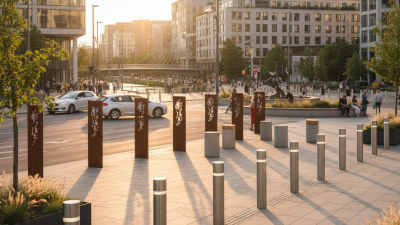
Urban areas face numerous safety challenges. One of the most effective solutions is the installation of Parking Bollards. These sturdy structures serve multiple purposes. They prevent vehicular access to pedestrian zones, protecting foot traffic. In high-density environments, safety must be prioritized.
Parking Bollards also enhance property protection. They deter unwanted vehicle intrusions into storefronts and public spaces. Many city planners recognize the need for a safer urban landscape. However, not all places utilize them effectively. Sometimes, the placement of these bollards is inconsistent. This inconsistency can lead to confusion for drivers and pedestrians alike.
Moreover, aesthetic considerations often clash with safety needs. Some cities have attractive designs for Bollards, but they may lack effectiveness. Striking a balance is crucial. Stronger guidelines and best practices can improve urban safety. Ultimately, Parking Bollards play a vital role in fostering a secure environment for city residents. Improving their deployment can lead to better outcomes for all.
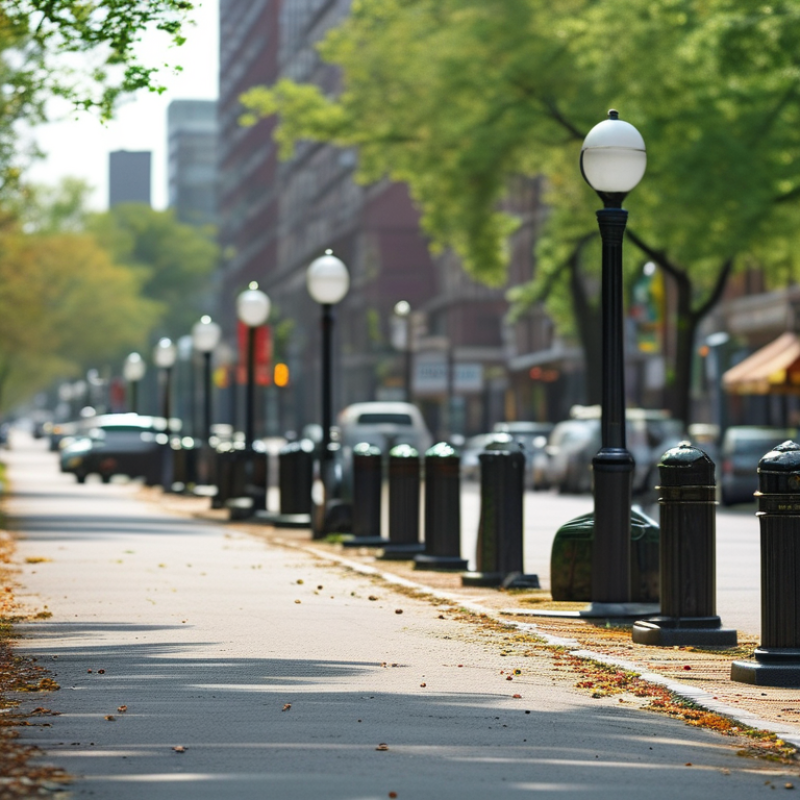
The Role of Parking Bollards in Urban Infrastructure
Parking bollards play a crucial role in urban infrastructure, enhancing safety in crowded environments. Placing these robust fixtures along sidewalks and near parking areas protects pedestrians from vehicular accidents. According to a report from the National Highway Traffic Safety Administration, nearly 5,000 pedestrians were killed in traffic accidents in the U.S. in 2020 alone. Bollards can significantly reduce this risk by serving as a barrier, preventing vehicles from encroaching on pedestrian pathways.
Urban areas are continuously evolving, and safety measures must adapt accordingly. A study from the Urban Land Institute suggests that installing bollards can decrease the chances of injury by up to 60%. This makes them a vital part of urban planning. They are not just effective; they enhance the aesthetic appeal of cityscapes. Strategic placements of bollards can create visually pleasing environments while maintaining safety.
Tips: Consider the height and style of bollards for your location. Low-profile options may suit pedestrian-heavy areas, while taller models can deter vehicles better. Regularly inspecting and maintaining these structures retains their effectiveness. Don't overlook the importance of visibility; reflective materials can enhance safety during low light conditions.
Enhancing Pedestrian Safety with Parking Bollards
Parking bollards are crucial for enhancing pedestrian safety in urban areas. These sturdy posts serve as a physical barrier between vehicles and pedestrians, reducing the risk of accidents. By defining pathways and parking zones, they ensure that people can navigate streets safely, especially in crowded city environments.
Tips for choosing effective parking bollards include considering their height and material. A bollard should be tall enough to catch attention but not obstruct views. Steel or reinforced plastic options offer durability without compromising safety. Additionally, using reflective materials can increase visibility at night.
Despite their importance, parking bollards can sometimes be overlooked in urban planning. Local authorities need to prioritize their placement in busy areas. Communities should also engage in discussions about their design and effectiveness. This collaboration can lead to better safety measures and improved public spaces. Remember, the goal is to create environments where pedestrians feel secure and confident while walking.
Preventing Vehicle Accidents: The Impact of Bollards
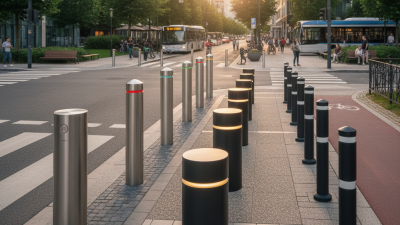
Parking bollards play a crucial role in urban safety. They serve as a physical barrier, preventing vehicles from entering pedestrian areas. This separation reduces the risk of accidents significantly. Cities often face the challenge of balancing vehicular traffic and pedestrian safety. Bollards help create designated zones for people.
In crowded urban environments, the presence of bollards can deter reckless driving. They can prevent vehicles from mounting sidewalks, ensuring children and families can walk safely. Without these barriers, the risk of collisions increases. Some might argue that not all bollards are effective. Poorly placed or designed bollards can lead to confusion. It’s essential for urban planners to rethink their placements regularly.
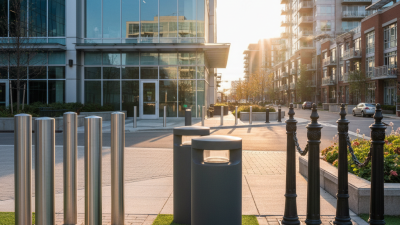
Moreover, the aesthetic aspect of bollards shouldn't be overlooked. They come in various designs and materials. Well-designed bollards can enhance the city's feel while ensuring safety. However, contributing to safety doesn’t always mean only adding more. Communities need to reflect on their urban designs continuously. Finding the right balance is key to fostering safer public spaces.
Impact of Parking Bollards on Urban Safety
Design Considerations for Effective Parking Bollards
Parking bollards serve a critical role in urban safety. They protect pedestrians, vehicles, and property. Effective design is essential to their function. When planning bollards, consider materials, height, and placement.
Durable materials like steel or concrete resist impact and wear. Choose a height that deters vehicles without obstructing views in pedestrian zones. Placement is vital; positioning them too close together may create gaps for vehicles to infiltrate. A thoughtful layout enhances safety.
Tips: Always assess high-traffic areas. Install bollards near schools, parks, and busy sidewalks. Regular maintenance is essential; check for damage and corrosion frequently.
Reflecting on effectiveness, some areas may find bollards limited in impact. Community feedback helps inform necessary adjustments. Consider integrating lighting or signage to enhance visibility at night. Effective bollards contribute significantly to urban safety but evolve with community needs.
Maintenance and Management of Urban Parking Bollards
Parking bollards play a significant role in urban safety. They protect pedestrians and direct traffic effectively. However, their maintenance and management require careful attention. Regular inspections are essential to ensure bollards remain functional and visible. A damaged or poorly placed bollard can create hazards rather than prevent them.
Tips: Use reflective materials to enhance visibility. This helps drivers and pedestrians notice them easily, especially at night. Regular painting and repair of physical damage are critical steps for maintenance. Neglected bollards can quickly lose their protective capabilities.
Urban planners should engage with the community for feedback on bollard placement. This can reveal issues that may not be apparent to officials. Understanding traffic patterns and pedestrian needs is crucial. Treatments like that lead to improper alignment could turn a safety feature into a liability. Ensuring that bollards serve their purpose effectively requires ongoing attention, innovative solutions, and community input.