2026 How to Choose the Right Street Bollards for Your Needs?
Street bollards play a crucial role in urban design. They protect pedestrians and property while enhancing the aesthetics of public spaces. Choosing the right street bollards can be challenging due to the wide variety of options available. Factors such as material, size, and purpose influence this decision.
Consider the specific needs of your location. Are you prioritizing safety or visual appeal? Some bollards are designed to withstand vehicle impacts, while others serve more decorative functions. Reflect on the context where these bollards will be installed. A busy intersection demands different solutions than a tranquil park.
Evaluating your options is essential. Research reliable manufacturers and suppliers. Look for bollards that meet safety standards and offer durability. The right choice ensures functionality and contributes to a cohesive urban landscape. Thoughtful selection of street bollards can significantly enhance the experience of both residents and visitors.
Understanding the Different Types of Street Bollards Available
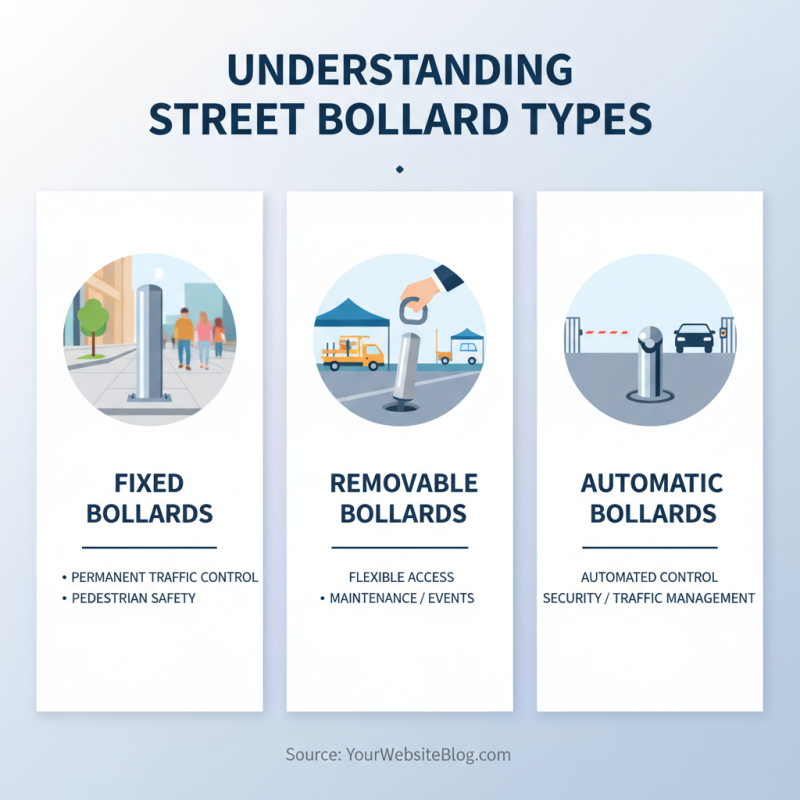
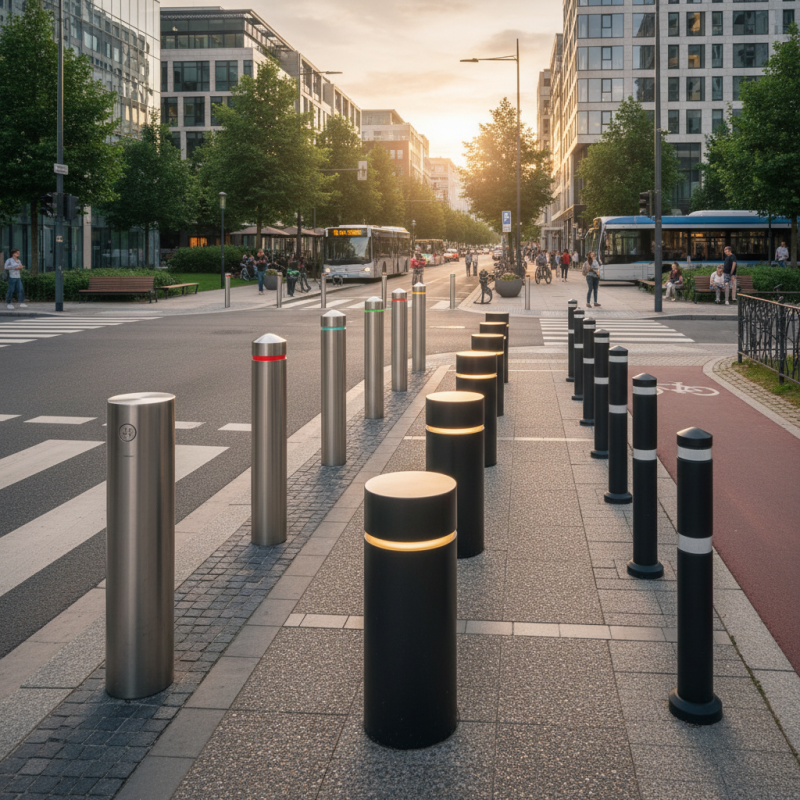
When considering street bollards, it's essential to understand the various types available. There are fixed, removable, and automatic bollards, each designed for specific purposes. Fixed bollards provide a permanent solution for traffic control. They are often used in pedestrian areas to enhance safety. Removable bollards offer flexibility, allowing access for maintenance or special events. Their lightweight design makes them easy to handle.
Automatic bollards are ideal for high-traffic zones. They can be retracted or extended with a simple control system. This type is popular in urban areas where vehicle access needs to be restricted at certain times. Each type has advantages and drawbacks, depending on location and intended use. It's vital to assess your specific needs carefully.
Choosing the right type also involves considering materials. Concrete, steel, and plastic are common choices. Concrete is robust but can be heavy. Steel is durable but may require maintenance to prevent rust. Plastic options are lighter but generally less secure. Reflective surfaces can enhance visibility, especially at night. Reflecting on these elements can lead to a better solution for your space.
Assessing the Purpose of Street Bollards for Your Specific Needs
When choosing street bollards, it's essential to assess their specific purpose for your project. Street bollards serve various functions, such as directing traffic, preventing unauthorized access, and enhancing public safety. Understanding these roles helps in selecting the right type. For example, if your goal is to protect pedestrians, consider impact-resistant bollards made from durable materials.
Location is another critical factor. Urban areas may require removable bollards for flexibility and service access. In contrast, residential neighborhoods may favor decorative bollards that blend aesthetics with functionality. It's also wise to think about visibility in low-light conditions. Lights integrated into the bollards can enhance safety and awareness.
While considering materials, reflect on the weather durability needed for your specific climate. Metals, concrete, and plastic all have their pros and cons. Maintenance is an often-overlooked aspect. Some materials need regular upkeep, possibly adding to long-term costs. Make sure to balance durability with your budget and requirements. Remember, the wrong choice can undermine your safety efforts, making thoughtful evaluation vital.
Evaluating Material Options for Durability and Aesthetics
When choosing street bollards, material options are crucial. Different materials offer unique benefits for durability and aesthetics. For example, concrete bollards are robust. They provide excellent protection against vehicles. However, they may lack visual appeal. On the other hand, steel bollards are strong and customizable. They can be powder-coated in various colors, enhancing the visual environment.
Plastic and composite materials are versatile. They resist weather damage and require less maintenance. These materials can mimic the look of traditional materials. While they might not be as strong as steel or concrete, they are lighter and easier to install. It's essential to evaluate where bollards will be placed. Urban settings may prioritize aesthetics, while high-traffic areas may focus more on durability.
Balancing these elements can be challenging. Sometimes, a material that looks good might not withstand harsh conditions. Likewise, a sturdy option might clash with the surrounding design. Assess your specific needs carefully. Consider not just immediate demands but long-term effects too. Reflecting on these factors can lead to better decisions.
Considering Installation Requirements and Constraints
When selecting street bollards, installation requirements play a critical role. Evaluate the location where the bollards will be placed. Consider factors like ground type, existing infrastructure, and traffic patterns. Some sites may require deep foundations, while others might only need surface-mounted options. Always ensure you have enough space for proper installation.
Take note of local regulations that may impact your choices. Some areas have specific codes regarding height and visibility. This can limit your options and affect your project timeline. It’s essential to consult with professionals when navigating these constraints. Also, verify the compatibility of the bollards with existing urban elements.
Additionally, think about durability and maintenance. Some materials withstand weather better than others. You may find that lighter materials, while easier to install, require more frequent servicing. Reflect on the trade-offs of choosing aesthetic designs versus robust solutions. Each project may lead you to different conclusions. Prioritize smart decision-making based on your unique installation context.
Analyzing Cost Factors and Budget Constraints for Bollard Selection
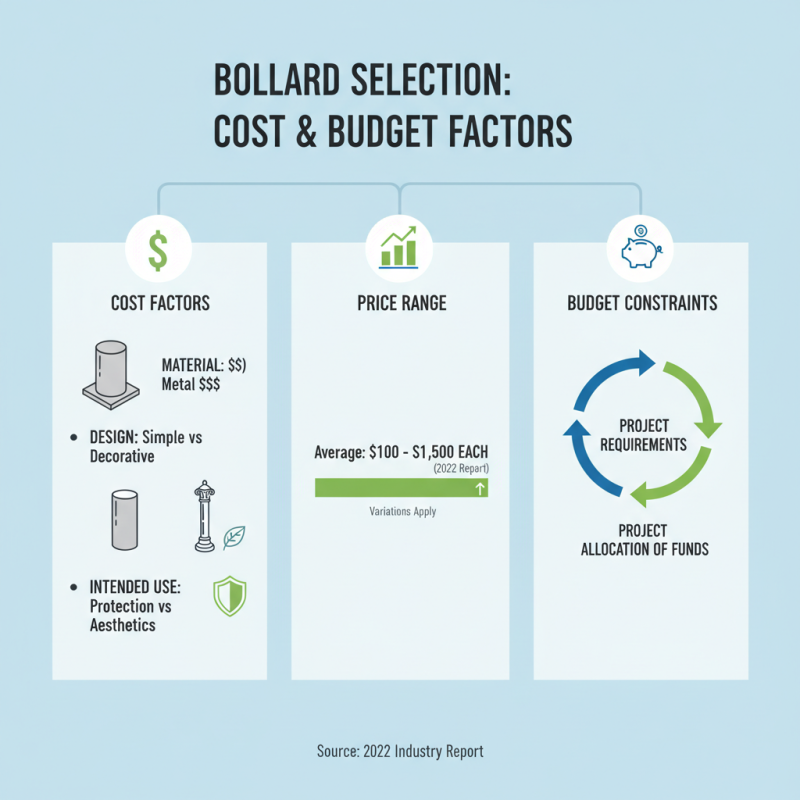
When selecting street bollards, budget considerations are crucial. According to a 2022 industry report, the average cost of bollards ranges from $100 to $1,500 each. Variations depend on material, design, and intended use. For instance, concrete bollards often cost less than decorative metal options but may deliver different protection levels. An allocation of funds should reflect the specific requirements of your project.
Understanding the total cost is essential. Costs aren't just about purchasing bollards. Installation fees can add 20-40% to the overall budget. A poor installation can lead to increased maintenance costs over time. Investing in quality, especially in high-traffic areas, can save money later. Often, organizations overlook future expenses, leading to budget overruns.
Analyzing your priorities is key. Functionality should always align with aesthetic goals. If aesthetics hold significant weight, consider investing in custom designs. Yet, not all designs offer the same protection. It's worth reflecting on what trade-offs you are willing to make. Each decision has a long-term impact. Overall, careful planning can help manage costs effectively while achieving desired outcomes.