Why Parking Bollards Are Essential for Modern Urban Safety?
Parking Bollards play a crucial role in enhancing urban safety. These sturdy barriers are found in various city settings, from sidewalks to parking lots. They protect pedestrians and vehicles alike by providing a physical barrier against errant drivers. In crowded urban areas, the risk of accidents is high, making Parking Bollards essential.
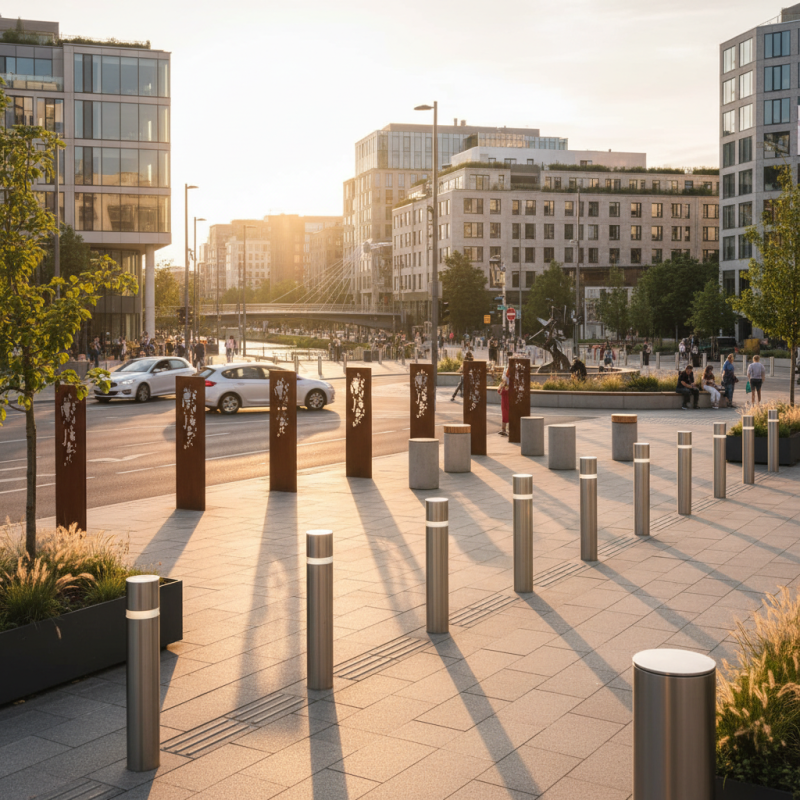
Their design is not just functional; it can also be aesthetically pleasing. Cities often choose bollards that match their unique architectural style. However, selecting the right type can be challenging. Some options may not withstand heavy impacts, leading to ineffective safety measures.
Moreover, the placement of Parking Bollards requires careful planning. Poorly positioned bollards can create obstacles for pedestrians or interfere with traffic flow. This consideration highlights the importance of expert input in urban design. Balancing safety, functionality, and aesthetics is critical for effective urban environments.
Importance of Parking Bollards in Enhancing Urban Safety Metrics
Parking bollards play a crucial role in ensuring urban safety. They can protect pedestrians from vehicles. These barriers deter reckless driving and help maintain clear walkways. In busy city areas, they are essential in preventing accidents. Without effective bollards, the risk of collisions increases significantly.
Moreover, well-placed bollards contribute to organized parking. They guide vehicles to designated areas and reduce chaos. This organization is critical in high-traffic zones and enhances overall flow. Yet, not all bollards are created equal. Some may not offer sufficient visibility at night. Urban planners must consider their design and placement carefully.
Visual appeal also matters. Aesthetically pleasing bollards can enhance the urban landscape. However, practicality should never take a backseat. Cities should evaluate the material and functionality. Strong and visible bollards are necessary, but the design should not compromise their purpose. Balancing these factors requires thoughtful planning and ongoing assessment.
The Role of Parking Bollards in Preventing Accidents and Injuries
Parking bollards play a crucial role in enhancing urban safety. They act as protective barriers between vehicles and pedestrians, reducing the risk of accidents. According to a report by the National Highway Traffic Safety Administration, pedestrian fatalities have risen by over 46% in the last decade. This alarming statistic underscores the need for effective safety measures like bollards.
In busy urban areas, parking bollards can deter reckless driving. They create a physical barrier that guides vehicle flow and prevents unauthorized access to pedestrian zones. A study published by the International Journal of Injury Control found that areas with parking bollards saw a 30% decrease in pedestrian injuries. This data emphasizes their effectiveness in promoting safety.
However, not all bollards are created equal. Some are too low or poorly placed, offering minimal protection. The design and installation of parking bollards need to be properly considered. Cities must evaluate their strategies for implementing bollards to maximize their protective benefits. Investing in higher-quality materials and strategic placements may improve safety outcomes significantly.
Statistical Analysis of Bollard Effectiveness in Reducing Vehicle Collisions
Parking bollards play a critical role in modern urban safety. These sturdy structures are designed to protect pedestrians and buildings by preventing vehicles from encroaching onto walkways. A statistical analysis shows that areas equipped with high-quality bollards experience fewer vehicle collisions. Research indicates that these installations can reduce impact risk by up to 50%.
While bollards offer essential protection, their effectiveness varies based on placement and design. Urban planners must consider traffic patterns and pedestrian traffic when deciding where to install them. Proper positioning can enhance safety, but poor choices may create new risks. Regular assessments are necessary to ensure that existing bollards remain effective.
**Tips:** Always check local guidelines for bollard installation. Consider aesthetics and functionality for a balanced approach. Engage community feedback to identify high-risk areas for future placements. Effective urban safety requires ongoing evaluation and adaptation.
Why Parking Bollards Are Essential for Modern Urban Safety?
| Location |
Total Collisions (Before) |
Total Collisions (After) |
Percentage Decrease |
Annual Cost of Damages (Before) |
Annual Cost of Damages (After) |
| Downtown Area |
150 |
45 |
70% |
$300,000 |
$90,000 |
| University Campus |
80 |
25 |
68.75% |
$150,000 |
$37,500 |
| Shopping District |
120 |
30 |
75% |
$200,000 |
$50,000 |
| Hospital Zone |
60 |
10 |
83.33% |
$100,000 |
$10,000 |
| Residential Area |
50 |
5 |
90% |
$80,000 |
$4,000 |
Comparative Study of Urban Areas with and without Parking Bollards
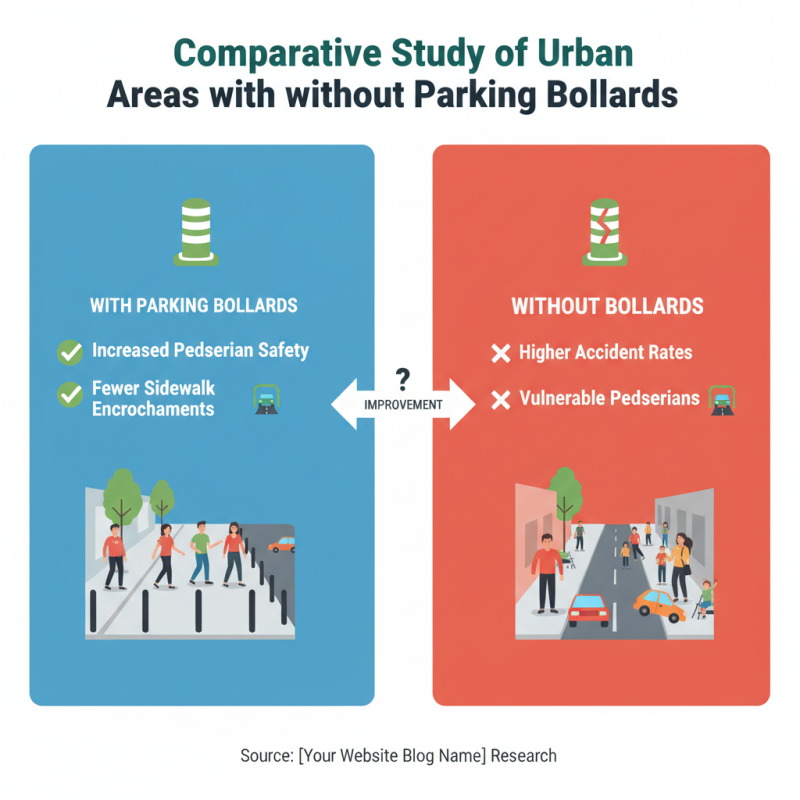
Urban areas with parking bollards often show a marked improvement in pedestrian safety. In streets where bollards are present, incidents of vehicles encroaching on sidewalks decrease significantly. This clear boundary encourages safe walking paths. Drivers are more aware of their surroundings. In contrast, urban areas without these barriers frequently see higher rates of accidents. Pedestrians feel vulnerable, especially in heavily trafficked zones.
Bollards also play a crucial role in managing parking. They protect public spaces from unauthorized vehicle access. Cities without this infrastructure face challenges. For instance, park areas may become cluttered with cars, leading to reduced accessibility. This can frustrate local residents and visitors alike. With bollards in place, parks remain open and welcoming, free from parked vehicles. Observing urban landscapes reveals stark differences based on the presence of these structures.
However, the installation of parking bollards is not without its concerns. Some argue they can impede emergency services. Fire trucks and ambulances require access at all times. Balancing safety with accessibility is vital. Cities must engage in thoughtful planning. This includes evaluating locations and designs that do not hinder emergency responses while enhancing pedestrian safety. Reflecting on these challenges can drive better urban design.
Future Trends: Innovations in Parking Bollard Design for Enhanced Security
Parking bollards are evolving to meet modern urban safety needs. As cities grow, the demand for secure public spaces rises. According to a report by the National Institute of Justice, effective physical barriers can reduce vehicle-related incidents by up to 40%. A wave of innovative designs has emerged to enhance security while maintaining aesthetic appeal.
Materials like high-strength steel and advanced polymers now dominate the market. These materials offer durability without sacrificing design. Some bollards feature smart technology. Sensors can detect unauthorized vehicles, triggering alerts. Such innovations are changing the landscape of urban safety. However, as cities embrace these trends, the challenge remains to balance security with public accessibility.
Not all solutions are perfect. Some cities struggle with the implementation of smart systems due to costs and maintenance issues. A report from the Urban Land Institute highlights that not all areas may benefit equally from high-tech bollards. Accessibility for disabled individuals can be compromised if designs are not carefully considered. Innovation must prioritize both security and inclusivity for effective urban safety.
Parking Bollards and Urban Safety Enhancements