How to Choose the Right Parking Bollards for Your Property?
When selecting parking bollards for your property, making an informed choice is vital. According to industry expert John Steele, “The right bollards enhance safety while improving aesthetics.” This underscores the significance of finding the ideal balance between functionality and design.
Parking bollards serve multiple purposes. They protect pedestrians and property from vehicle encroachment and can direct traffic flow effectively. However, choosing the wrong type might lead to ineffective protection or a clash with your property’s overall look. These decisions also involve assessing the local environment and your specific needs.
Not all bollards are created equal. The materials, heights, and styles vary widely. For instance, a business center may require more robust, durable options, while a residential area might benefit from decorative bollards. Reflect on what’s best for your surroundings. Investing time in research could prevent costly mistakes down the line.
Understanding the Purpose and Benefits of Parking Bollards in Property Protection
Parking bollards serve a critical role in enhancing property protection. They act as physical barriers that deter vehicle access in restricted areas. According to a report by the International Parking Institute, over 60% of property damage claims are related to vehicle accidents. Bollards can effectively minimize these incidents, protecting both property and pedestrians.
The benefits extend beyond just safety. A well-placed bollard can improve the visual appeal of a property. They can be designed to match the architectural style of commercial buildings, providing a cohesive look. A study from the National Association of Property Managers highlighted that properties with attractive barriers had a 30% higher tenant retention rate. However, improper placement may create blind spots or obstruct pathways.
Selecting the right type of bollard is crucial. A focus on durability and impact resistance is essential, especially in high-traffic areas. The ASTM F3016 standard offers guidelines on which bollards can withstand vehicle impact. Not all bollards meet these standards. It's best to conduct a thorough assessment of your property needs before making a final choice.
Assessing Different Types of Parking Bollards: Materials and Designs
Choosing the right parking bollards requires understanding various materials and designs. Bollards come in options such as concrete, steel, and plastic. Concrete offers durability but can be heavy and difficult to relocate. Steel provides strength and resistance to impact, making it ideal for busy areas. However, steel can rust if not properly maintained.
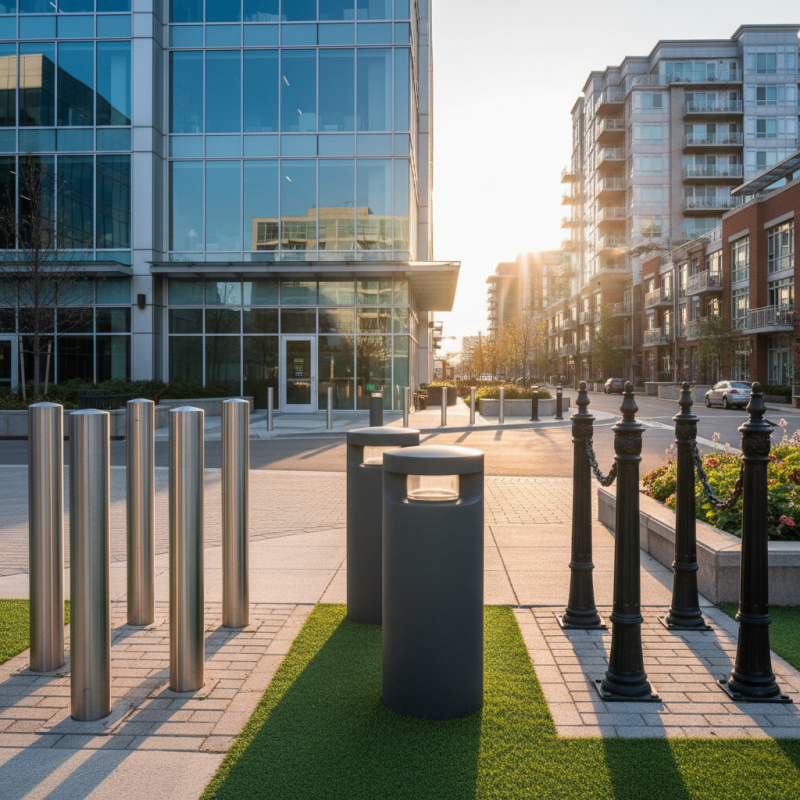
The design of bollards also plays a significant role. Some feature a sleek finish, while others are more robust and utilitarian. Reflective elements can enhance visibility at night. It’s worth considering whether aesthetics matter as much as functionality in your specific location. A stylish option may appeal more to commercial areas, while a heavy-duty model could be necessary for high-traffic zones.
Not all bollards are created equal. Assessing the precise needs of your property can be challenging. You might find that a combination of different styles works best. For instance, using decorative bollards in the front can enhance visual appeal, while more solid options are needed at entrances. Balancing design and practicality often requires careful thought and could lead to trial and error.
Evaluating Safety Standards and Compliance for Parking Bollard Installation
When evaluating safety standards for parking bollards, it's essential to consider the materials used in their construction. High-quality materials enhance durability and effectiveness. Steel and reinforced concrete are common choices, offering strength against vehicular impact. However, some bollards are made of lighter materials, which might not provide the same protective benefits. Recognizing this difference is critical for effective installation.
Compliance with local regulations is another vital aspect. There are specific guidelines that dictate height, placement, and load-bearing capacity. Ignoring these standards can lead to safety hazards. It's wise to consult local authorities or safety experts to ensure adherence to these regulations.
Moreover, not every installation is perfect. Mistakes happen, such as improper spacing between bollards, which can reduce effectiveness. Regular assessments and adjustments can help maintain their protective capabilities. Acknowledging these common pitfalls can guide property owners toward making informed decisions.
Parking Bollard Safety Standards Overview
This chart illustrates the compliance levels of various safety standards relevant to parking bollard installations. Each category reflects the percentage adherence to critical safety measures, ensuring that the selected bollards provide optimal protection and visibility for properties.
Analyzing Cost Factors and Return on Investment for Bollard Solutions
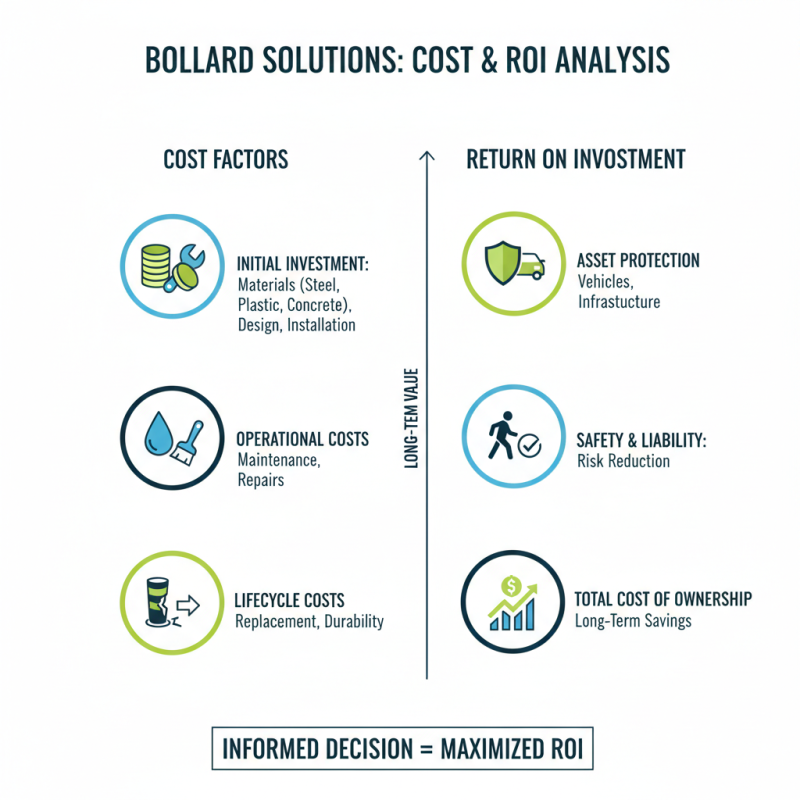
When selecting parking bollards, analyzing cost factors is crucial. The initial investment can vary widely based on materials, design, and installation requirements. For instance, some bollards are made of steel, which is durable but may have a higher upfront cost compared to plastic or concrete options. It's essential to consider long-term expenses, such as maintenance and replacement. Understanding the total cost of ownership helps in making an informed decision.
Return on investment (ROI) is another key consideration. Bollards can enhance security and control traffic flow, potentially reducing accidents. This aspect may lower insurance premiums. However, evaluating the effectiveness of bollards can sometimes be subjective. Some properties may see immediate benefits, while others might take longer to notice changes. Gathering data from similar installations can provide insights.
Effective analysis also includes their aesthetic value. Attractive bollards can improve the property's overall appeal. This aspect can indirectly impact revenue, especially in commercial settings. Budget constraints can limit options, but investing in quality solutions will likely pay off. It is essential to be open to experimenting with different designs that balance functionality and style. Every decision should align with both immediate needs and future goals.
Installation and Maintenance Best Practices for Long-Lasting Bollards
When considering installation and maintenance for parking bollards, one must prioritize durability and functionality. A study by the International Parking Institute suggests that properly maintained bollards can last up to 25 years. This longevity hinges on using high-quality materials and regular inspections.
Regular maintenance is crucial for ensuring the effectiveness of bollards. Inspect them for rust, structural integrity, and alignment at least twice a year. Minor damages, if addressed early, can prevent costly replacements. In addition, applying a weather-resistant coating can enhance their lifespan, particularly in harsh climates, which can significantly reduce deterioration.
Moreover, the placement of bollards impacts not only their longevity but also safety. Bollards should be strategically installed to withstand impacts from vehicles and deter unauthorized access. According to the Federal Highway Administration, improperly installed bollards may lead to increased risks of accidents and property damage. Understanding these best practices ensures that your property remains secure and that your investment lasts for years.
How to Choose the Right Parking Bollards for Your Property? - Installation and Maintenance Best Practices for Long-Lasting Bollards
| Bollard Type |
Material |
Height (inches) |
Weight (lbs) |
Price Range ($) |
Maintenance Frequency |
| Rigid Bollard |
Steel |
36 |
50 |
100 - 150 |
Every 6 months |
| Retractable Bollard |
Aluminum |
42 |
30 |
200 - 300 |
Every 3 months |
| Flexible Bollard |
Plastic |
30 |
10 |
50 - 70 |
Annually |
| Decorative Bollard |
Cast Iron |
36 |
70 |
80 - 120 |
Every 12 months |