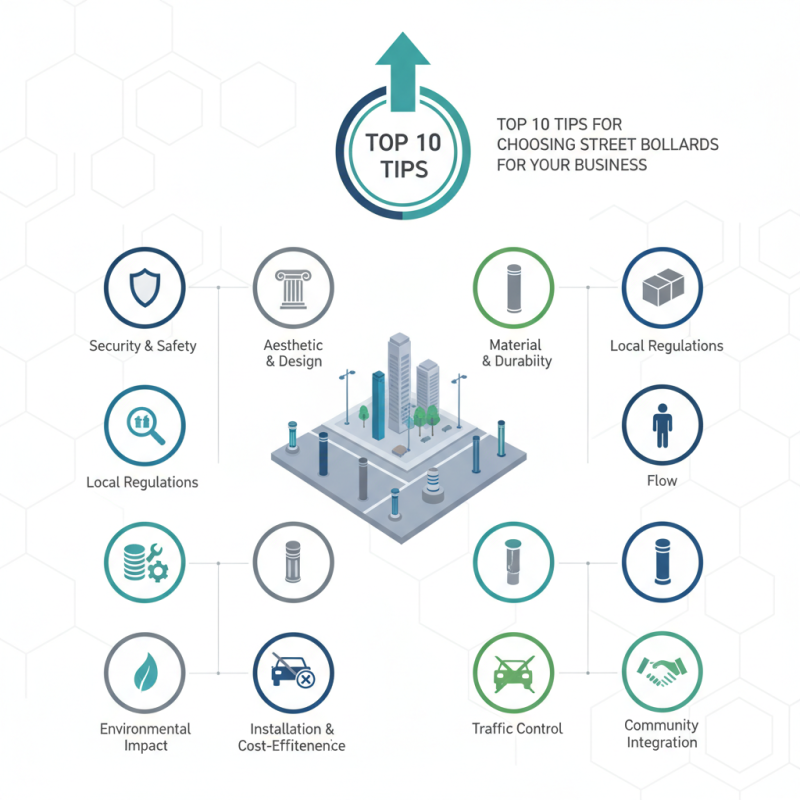
Top 10 Tips for Choosing Street Bollards for Your Business?
In the ever-evolving realm of urban design, the choice of street bollards plays a vital role for businesses. According to David Moore, an expert in urban infrastructure, "Effective street bollards can enhance safety while complementing the aesthetic of a space." This reflects the dual purpose of these fixtures, blending functionality with visual appeal.
Selecting the right street bollards is not a simple task. Each choice involves considering security, style, and material. Businesses often struggle to balance their needs with what is available. Some might prioritize aesthetics over sturdiness, risking potential safety issues. Ensuring that these installations serve the intended purpose without compromising on appearance is crucial.
Moreover, understanding local regulations is essential. Non-compliance can lead to costly mistakes for businesses. Investing in quality street bollards can elevate a location’s appeal. However, it is important to remember that each decision should be tailored to specific business needs and community characteristics. Reflecting on these points can help guide an effective choice.
Understanding the Purpose of Street Bollards for Your Business
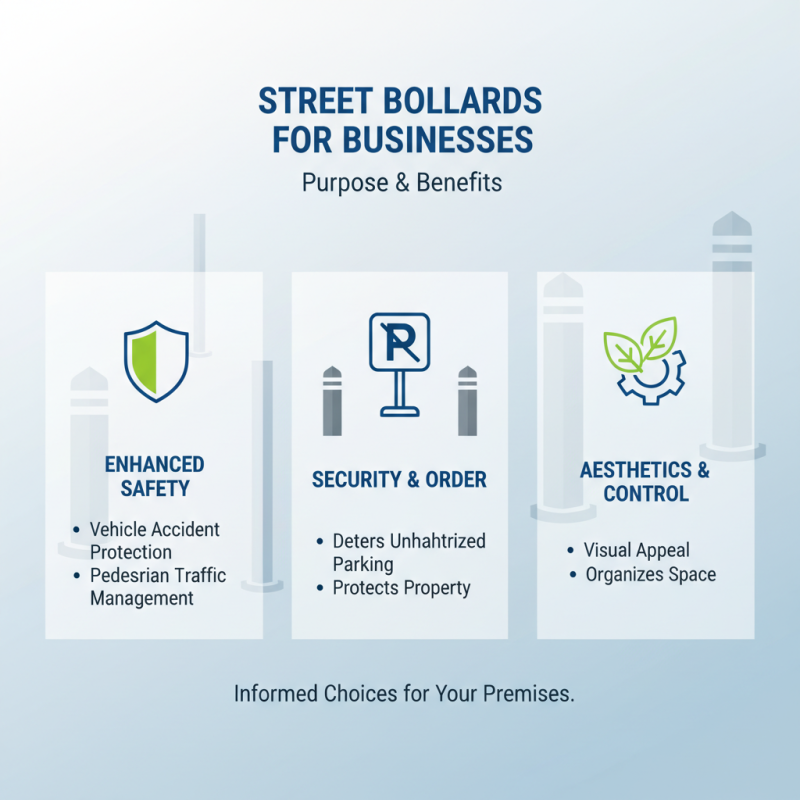
Street bollards serve crucial purposes for businesses, enhancing safety and aesthetics. They provide protection against vehicle-related accidents, deter unauthorized parking, and help manage pedestrian traffic. By understanding their functions, business owners can make informed decisions about the most suitable options for their premises.
Choosing the right bollards is essential. Consider the material: steel, concrete, or plastic. Steel is durable but may be more expensive. Concrete offers sturdiness but can be less visually appealing. Plastic is lightweight and cost-effective, but might lack longevity.
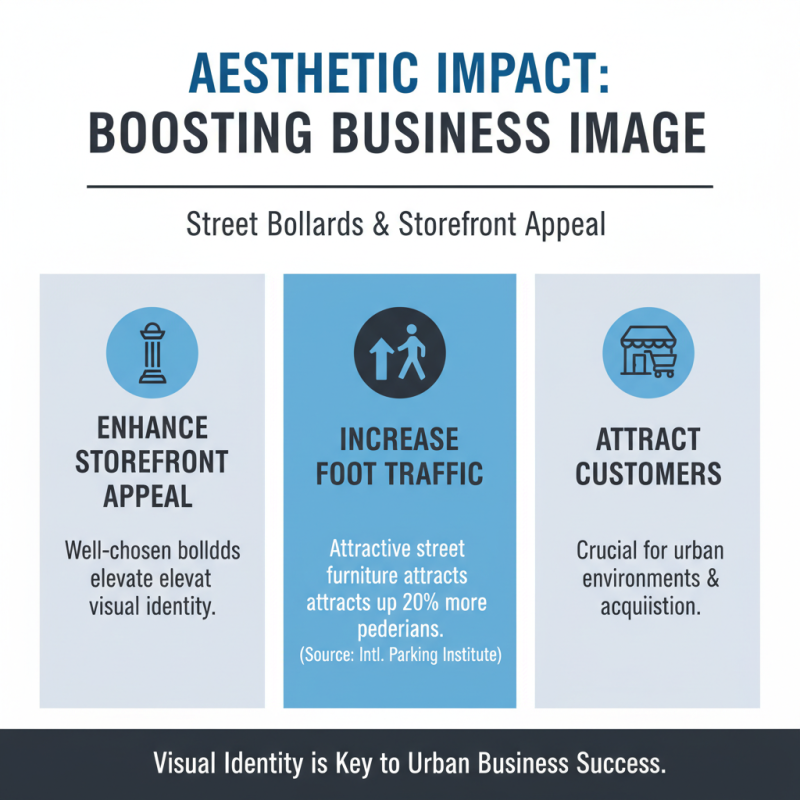
Think about visibility. Brightly colored or reflective bollards can aid in warning drivers and improving safety. This is especially important in high-traffic areas or near outdoor dining spaces. Also, assess their design. Some business environments may benefit from custom bollards that reflect the brand's image. Striking a balance between functionality and aesthetics is key.
Lastly, consider their placement. Properly positioned bollards can direct foot traffic, enhancing customer experience. Avoid overcrowding the space—think about accessibility. Too many bollards can create confusion or frustration. Finding this balance requires thoughtful reflection on your business layout.
Assessing the Different Types of Street Bollards Available
When evaluating street bollards, understanding their various types is essential for effective selection. There are removable, fixed, and collapsible options, each serving unique purposes. According to the “Bollard Market Research Report 2023,” the demand for impact-resistant bollards is rising. These products are designed to withstand vehicular collisions, safeguarding pedestrians and property alike.
Additionally, aesthetics matter. Many businesses prefer decorative bollards that enhance their environment. Materials like steel, concrete, and plastic offer a range of styles and durability. A report from the Institute of Structural Engineers notes that aesthetics can improve customer experience by up to 30%. However, it’s vital to balance form with function, as overly decorative options may compromise safety.
Finally, consider local regulations regarding installation and maintenance. Compliance ensures that your bollards not only protect but also meet city requirements. The National Association of City Transportation Officials emphasizes that failure to adhere to guidelines could lead to costly fines. Evaluating all aspects allows for a more informed decision. Choosing the right bollard requires careful thought and attention to detail.
Evaluating Material Durability and Maintenance Requirements
When selecting street bollards for your business, material durability is a crucial factor. A recent industry report highlights that metal bollards, particularly those made from stainless steel, offer substantial resistance to corrosion and impact. They can last up to 50 years with minimal maintenance. This lifespan is vital for businesses aiming to optimize long-term investments.
However, many don’t consider maintenance requirements until it’s too late. For instance, concrete bollards, while sturdy, can chip and crack over time. This could lead to higher repair costs not accounted for initially. The same report mentions that regular inspections can extend the life of all types of bollards, but only if businesses are vigilant.
Ultimately, understanding the trade-offs in durability and maintenance can help businesses make informed choices. Clients should weigh the upfront costs against long-term upkeep. Purchasing decisions should be based on real needs, not trends. Consider how each material will hold up under local conditions. The right choice may vary widely, and context matters. Regular evaluation of these factors can save money and time in the future.
Top 10 Tips for Choosing Street Bollards for Your Business
Analyzing Cost vs. Benefits in Your Bollard Selection Process
When evaluating street bollards for your business, it’s crucial to carefully analyze the costs versus benefits. Initial expenses are just one part of the equation. Consider long-term implications like maintenance and safety enhancements. Quality bollards often have higher upfront costs but can save money in repairs and insurance down the line. They also reduce liability by increasing safety for pedestrians and vehicles.
Assess the various materials available, as each has distinct advantages. Metal bollards, for instance, tend to be more durable but might require more investment. On the other hand, plastic options offer lower costs but may need frequent replacements. Think about the visual appeal as well. Aesthetic choices can attract customers but could come with added costs. Weighing the functional versus visual benefits can be challenging.
Reflect on the installation process too. Complexity can lead to unexpected costs. Choosing a reliable installer may seem pricey, yet it can help avoid future headaches. Understanding your specific needs allows for better decision-making. In the end, effective bollard selection merges practical needs with budget realities.
Top 10 Tips for Choosing Street Bollards for Your Business
| Tip |
Consideration |
Cost |
Benefit |
| 1. Assess Intended Use |
Traffic management or pedestrian safety |
Low to medium |
Reduces accidents |
| 2. Evaluate Material Options |
Steel, plastic, concrete |
Medium |
Durability and lifespan |
| 3. Consider Aesthetics |
Design and style |
Varies widely |
Enhances property value |
| 4. Analyze Pricing |
Initial vs. long-term costs |
Low to high |
Cost-effectiveness |
| 5. Assess Installation Requirements |
DIY or professional |
Low for DIY, high for professional |
Quality installation |
| 6. Evaluate Maintenance Needs |
Time and cost of upkeep |
Varies |
Long-term savings |
| 7. Consider Environmental Impact |
Sustainability of materials |
Medium |
Positive brand image |
| 8. Analyze Local Regulations |
Compliance with city laws |
N/A |
Avoid fines |
| 9. Assess Security Features |
Anti-ram and deterrence properties |
High |
Enhanced safety |
| 10. Seek Expert Advice |
Consult industry professionals |
Consultation fees |
Informed decisions |