What is Street Bollards and Their Importance in Urban Design?
Street bollards are essential elements in urban design. They provide safety, define spaces, and enhance aesthetic appeal. In busy cities, these sturdy posts serve multiple purposes.
One primary role of street bollards is to protect pedestrians. They can prevent vehicles from entering crowded areas. This protection is crucial in urban settings where foot traffic is high. However, not all designs are effective. Some might not withstand heavy impacts. Cities need to carefully evaluate the materials used.
Another aspect to consider is their visual impact. Street bollards can enhance the character of neighborhoods. Well-designed bollards complement the surrounding architecture. Yet, some may find them intrusive. Striking a balance between safety and aesthetics is key. Urban planners must think critically about these factors. Ultimately, street bollards play a vital role in shaping urban environments.
Definition and Types of Street Bollards in Urban Design
Street bollards are vital elements in urban design. They serve various purposes, contributing to both safety and aesthetics.
Bollards are short posts, typically made of durable materials like steel or concrete. They can be fixed or removable, providing flexibility in urban planning.
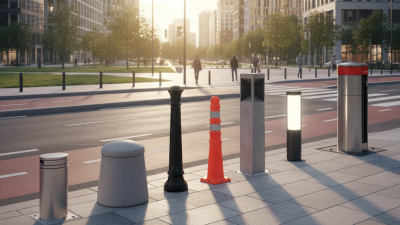
There are several types of street bollards.
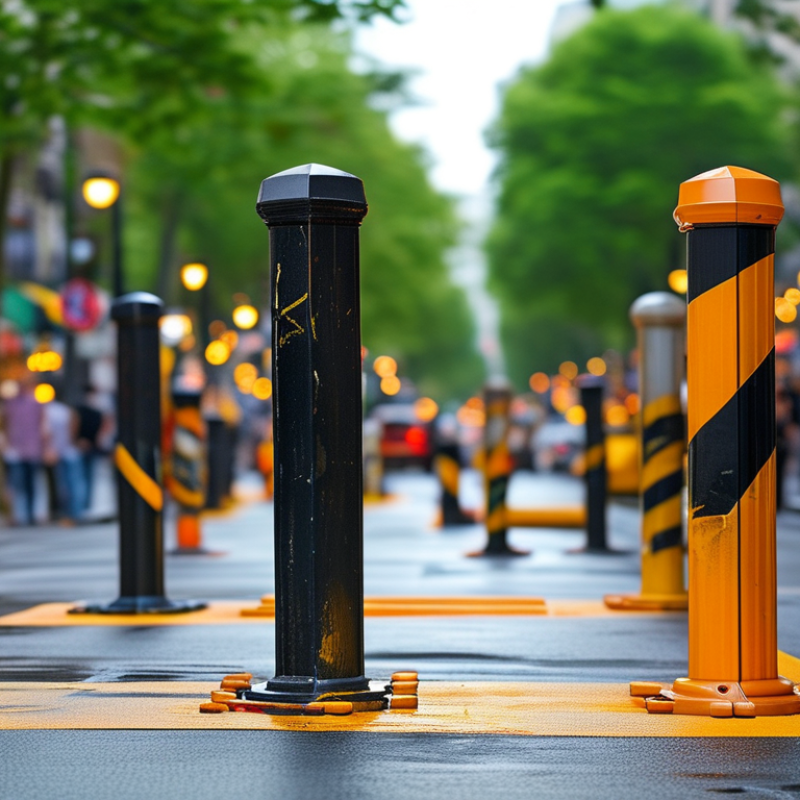
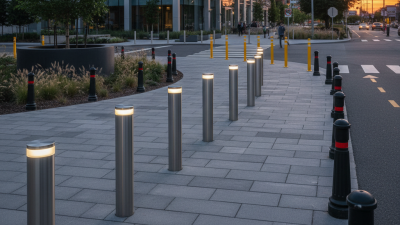
Decorative bollards enhance the visual appeal of streetscapes.
Removable bollards allow for flexible access during events.
Crash-rated bollards are designed to withstand high-impact collisions, adding a layer of security.
Depending on their function, the design and placement of these bollards can vary significantly.
Tip: When selecting bollards for your urban space, consider the balance between functionality and design.
Aesthetics should not overshadow safety. Ensure bollards are visible and appropriately placed to avoid unintentional accidents.
Evaluating the installation of street bollards can be enlightening. Some cities may find that too many bollards can create clutter.
This can detract from the overall design and functionality of public spaces.
It's crucial to find the right number and type of bollards for each location.
Always revisit your choices to ensure they serve the intended purpose effectively.
Historical Evolution of Street Bollards and Their Uses
Street bollards have a rich history that spans centuries. Initially, they served as protective barriers. These sturdy posts were used to prevent vehicles from veering into pedestrian areas. They created a safer environment for people. Over time, their design and materials evolved as urban landscapes changed.
In the 18th century, bollards were often made of wood or iron. They marked the boundaries of ports and harbors. As cities grew, so did the need for safety and organization. Urban planners began incorporating bollards into their designs. They were not just barriers; they became an integral part of street aesthetics. Today, you can find them in various styles and materials, serving multiple purposes.
Despite their practical uses, the integration of bollards can be flawed. In some areas, they clutter sidewalks, hindering movement. The balance between safety and accessibility is crucial. Urban designers must think critically about their placement. Overall, street bollards reflect the ongoing evolution of urban design, adapting to meet both safety needs and aesthetic values.
What is Street Bollards and Their Importance in Urban Design? - Historical Evolution of Street Bollards and Their Uses
| Dimension |
Description |
Historical Context |
Modern Uses |
| Material |
Usually made of steel, concrete, plastic or wood |
Traditionally made from stone or wrought iron |
Traffic control, pedestrian safety |
| Height |
Typically ranges from 1 to 3 feet |
Variable heights based on purpose and design era |
Urban design features, aesthetic elements |
| Functionality |
Defines space, guides pedestrian flow |
Used to prevent vehicle access to specific areas |
Enhancing street aesthetics and ambiance |
| Location |
Installed in parks, plazas, roads, and sidewalks |
Parks and public spaces were common locations in historical contexts |
Smart cities integrating tech features |
| Design Variations |
Comes in various shapes and designs, including removable options |
Standardized designs in historical periods; art deco influences |
Custom designs to reflect local culture |
Functional Importance of Bollards in Enhancing Public Safety
Bollards serve a crucial role in urban design, primarily in enhancing public safety. These sturdy posts are strategically placed in public spaces. They protect pedestrians from vehicular traffic, creating a safer environment. In busy urban areas, their presence can significantly reduce accidents.
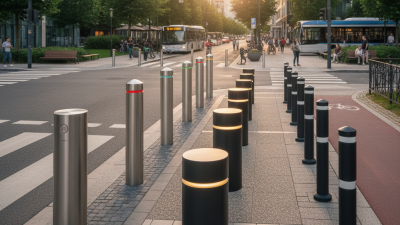
Beyond traffic protection, bollards also define space. They guide foot traffic, indicating where people should walk. For example, a row of bollards can separate bike lanes from sidewalks. This clear demarcation helps prevent collisions. However, not all designs are effective. Some may obstruct pathways or create confusion for pedestrians. Urban planners must consider these factors carefully.
Moreover, the visual impact of bollards cannot be overlooked. They can be aesthetically pleasing or disruptive to the urban landscape. Choosing the right design is essential. A poorly chosen bollard can detract from the area's character. Designers should aim for a balance between functionality and beauty. Urban spaces thrive when every element works harmoniously together.
Importance of Street Bollards in Urban Design
Aesthetic Contributions of Street Bollards in City Landscapes
Street bollards play a significant role in enhancing the aesthetics of urban environments. These sturdy posts are not merely functional; they contribute greatly to the visual appeal of city landscapes. Research by urban planning experts indicates that well-designed bollards can improve the overall look of a street by 40%. Their presence helps in creating defined spaces, guiding pedestrian movement, and adding character to public areas.
Bollards can be crafted from various materials and styles, allowing for creative expression. When used strategically, they can harmonize with surrounding architecture. Installing bollards that reflect local culture can strengthen community identity. Additionally, vibrant colors or unique designs can transform mundane streetscapes into lively environments. Data shows that cities with appealing aesthetics encourage longer visits, increasing foot traffic and, subsequently, local business growth.
Tips: Pay attention to the surroundings when choosing designs. Consider how materials relate to nearby elements. This integration can significantly enhance the visual harmony of the urban landscape. Regularly assess the state of existing bollards. Effective maintenance can prevent them from becoming unsightly or damaged, keeping the city’s image intact.
Challenges and Considerations in the Implementation of Bollards
Implementing street bollards in urban areas presents several challenges that require careful consideration. With the rising need for pedestrian safety, cities often install bollards to mitigate vehicle-related accidents. According to a report from the National Highway Traffic Safety Administration (NHTSA), pedestrian fatalities have increased by 53% from 2009 to 2018. Yet, bollard placement must balance safety and accessibility.
One primary challenge is ensuring that bollards do not hinder emergency response access. City planners must consider pathways for fire trucks and ambulances. A poorly positioned bollard can block critical routes during emergencies. The Urban Land Institute emphasizes the importance of collaboration between urban designers and city agencies for effective implementation. They suggest regular audits and community feedback to refine bollard placement.
Tips for successful bollard implementation include assessing traffic flow patterns and community needs. Engaging with local residents helps to identify areas requiring protection. Consider designing bollards with aesthetics in mind. This approach enhances urban spaces while providing safety. Furthermore, integrating smart technology could enhance their functionality. For instance, sensors can alert authorities to any unusual activity.
Incorporating these insights can lead to more effective and thoughtful deployment of bollards in urban design. Awareness of the challenges can lead to innovative solutions. Community involvement is key to creating safer streets for everyone.