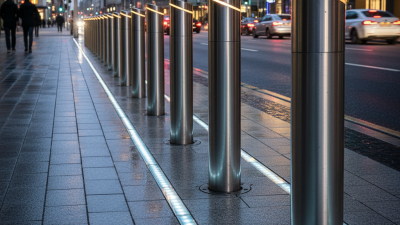
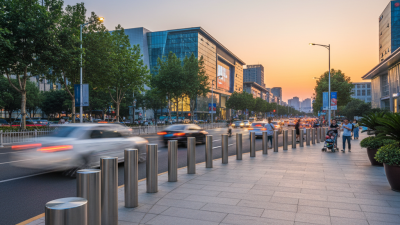
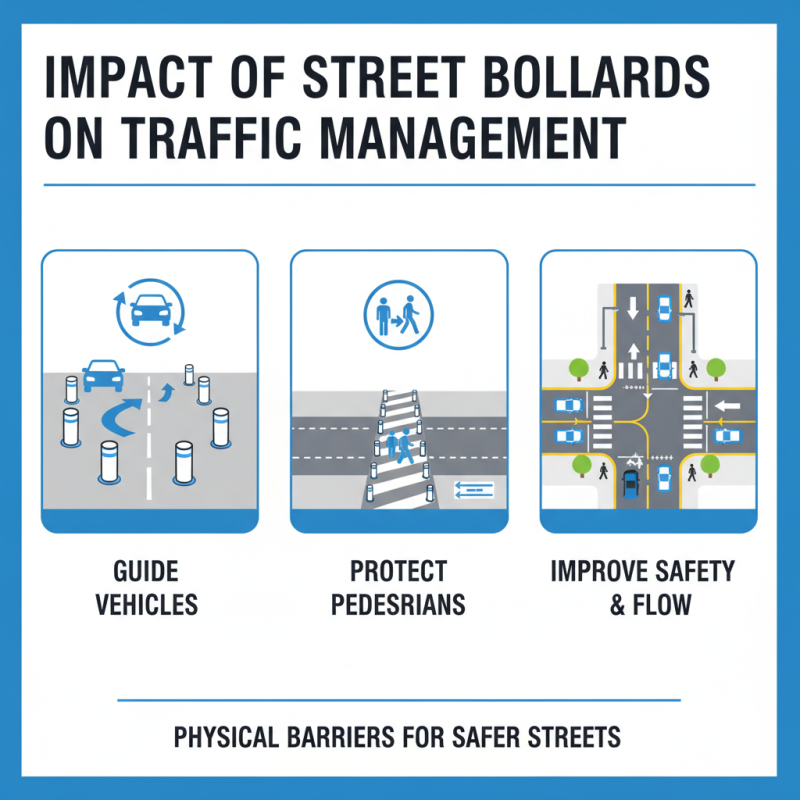
What is Street Bollards and Their Importance for Safety?
Street Bollards are critical elements in urban design and safety. These sturdy posts serve various purposes, from controlling vehicular traffic to enhancing the security of public spaces. As security expert Robert Hastings stated, "Street bollards are essential for protecting pedestrians while maintaining the flow of traffic." Their importance spans beyond mere aesthetics; they are vital for creating safe environments in busy urban areas.
Incorporating Street Bollards effectively can prevent accidents and mitigate risks. For instance, strategically placed bollards can act as barriers against errant vehicles, protecting crowded sidewalks and outdoor dining areas. However, many urban planners may overlook the placement of these essential fixtures. This oversight can lead to vulnerabilities, challenging the safety that Street Bollards are expected to provide.
The conversation around Street Bollards is evolving. With advancements in design and materials, there is room for improvement in their implementation. Engaging discussions about aesthetic appeal versus functionality emerge. It is clear that while these structures are designed for safety, ongoing evaluations and updates are necessary. As cities grow and change, so must our approach to urban safety through the intelligent use of Street Bollards.
Definition and Function of Street Bollards
Street bollards are essential urban safety features designed to control vehicle access and protect pedestrians. These sturdy posts, often made of steel, concrete, or plastic, serve a critical role in various environments. Studies suggest that well-implemented bollard systems can reduce vehicle-related accidents by up to 40%. They act as physical barriers, preventing unauthorized vehicle entry into crowded public areas, such as parks and plazas.
Beyond mere protection, street bollards enhance the aesthetic appeal of urban spaces. They can be customized to fit a city’s unique style, creating a cohesive visual identity. However, not all bollards are created equal; a report by the National Association of City Transportation Officials highlights that poorly placed or designed bollards can create hazards for cyclists and pedestrians. Furthermore, their effectiveness often relies on proper installation and maintenance, which are sometimes overlooked. Regular assessments are necessary to ensure that these barriers function as intended.
In addition to safety, bollards play a significant role in traffic management. By guiding vehicles, they help direct flow and minimize congestion. Research indicates that cities implementing strategic bollard placements at intersections have seen up to a 30% improvement in traffic efficiency. However, there remains a challenge in balancing safety with accessibility for all road users. Ongoing discussions within urban planning circles emphasize the need to refine bollard designs to cater to diverse needs, ensuring that public spaces remain safe and welcoming for everyone.
What is Street Bollards and Their Importance for Safety?
| Dimension |
Description |
Importance |
| Material |
Common materials include steel, concrete, and plastic. |
Durability and resistance against impacts and weather conditions. |
| Height |
Typically range from 3 to 1 meter. |
Height can affect visibility and deterrent effectiveness. |
| Design |
Can be decorative, plain, or functional. |
Enhances the aesthetic appeal of urban areas while serving a protective function. |
| Placement |
Strategic locations like pedestrian zones and parking areas. |
Critical for traffic management and pedestrian safety. |
| Functionality |
Prevent vehicles from entering certain areas. |
Protects pedestrians and property from traffic accidents. |
Types of Street Bollards and Their Specific Uses
Street bollards serve multiple purposes in urban environments, enhancing both safety and aesthetics. There are various types of street bollards, each designed for specific uses. For instance, fixed bollards are often made from robust materials like steel or concrete. They are essential for protecting pedestrians from vehicular traffic, especially in busy areas. These strong barriers can withstand significant impact, ensuring that pedestrians are safe as they navigate crowded streets.
Retractable bollards offer flexibility in urban planning. They can be lowered when vehicles need access and raised to restrict entry. This dual functionality is particularly useful in areas that require occasional vehicle access, such as event zones or restricted traffic areas. Removable bollards also play a vital role. They can be taken out easily, allowing for temporary access during special occasions or maintenance work.
Despite their importance, the placement of street bollards requires careful consideration. Poorly situated bollards can create hazards, obstructing pathways or causing confusion. Urban planners must analyze pedestrian flow and vehicle movement to ensure bollards serve their intended purpose without hindering accessibility. Continuous evaluation and adjustment of bollard placement can lead to safer, more navigable public spaces.
Importance of Street Bollards for Pedestrian Safety
Street bollards serve a vital role in enhancing pedestrian safety. These sturdy posts are strategically placed along streets and walkways, significantly reducing the risk of vehicle-related accidents. They act as physical barriers, preventing vehicles from encroaching on pedestrian spaces. The height and material of bollards ensure visibility, even in low-light conditions.
In busy urban areas, the presence of street bollards can change driver behavior. They encourage greater caution when navigating near pedestrian zones. For instance, brightly colored bollards can capture the attention of distracted drivers, promoting safer driving habits. However, not all designs are effective; some may blend into the surroundings and become less noticeable.
While their primary function is safety, bollards also contribute to urban aesthetics. The design can reflect the character of the neighborhood. Unfortunately, poorly maintained or damaged bollards can send mixed signals. Regular inspections and prompt repairs are essential. Maintaining the integrity of bollards shows a commitment to pedestrian safety and community well-being.
Impact of Street Bollards on Traffic Management
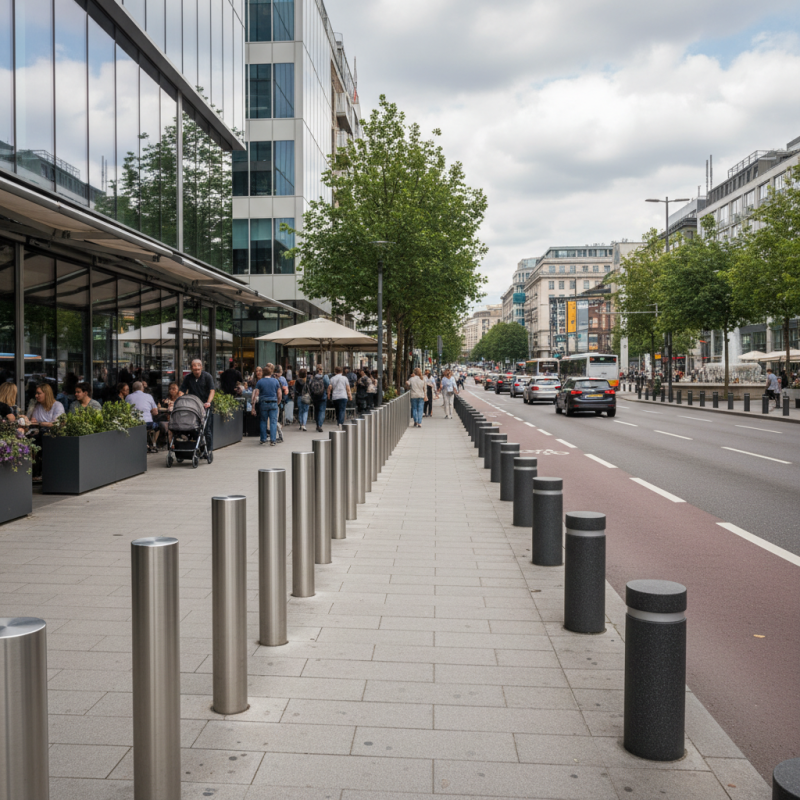
Street bollards play a crucial role in traffic management. They act as physical barriers that guide vehicles and protect pedestrians. Strategically placed, these bollards can direct traffic flow, making streets safer. Their visibility helps drivers recognize safe zones for pedestrians.
However, the effectiveness of street bollards can vary. Some designs may obstruct visibility or cause confusion. In densely populated areas, the placement must be carefully considered. Poorly installed bollards might lead to accidents instead of preventing them. Regular assessments and modifications are essential to ensure their safety benefits are maximized.
The impact of street bollards extends beyond traffic control. They can create a sense of security. When people feel safe, they are more likely to walk or cycle. Streets with a thoughtful bollard design promote a vibrant community atmosphere. Still, cities must evaluate the balance between safety and accessibility. Creating a perfect solution can be challenging.
Materials and Design Considerations for Effective Bollards
Bollards play a critical role in urban safety. They serve as barriers, protecting pedestrians from vehicle traffic. Material selection affects their durability and effectiveness. Common materials include concrete, steel, and plastic. Each has unique properties that influence performance. Concrete bollards are robust but may crack under stress. Steel options are strong but can rust over time without proper treatment.
Design is another vital consideration. Height, diameter, and weight impact a bollard's ability to absorb force. A study showed that taller bollards absorb 25% more impact than shorter ones. However, excessively high bollards may obstruct visibility. This can lead to accidents if drivers cannot see surrounding traffic.
Color and reflective features enhance visibility at night. A brightly colored bollard is more noticeable. However, excessive colors can create confusion. Effective design must balance safety with aesthetics. It's crucial to involve urban planners in bollard design for community needs. Communities may require different solutions based on their specific safety challenges.