China Top Cell Rubber Fender Types and Their Applications?
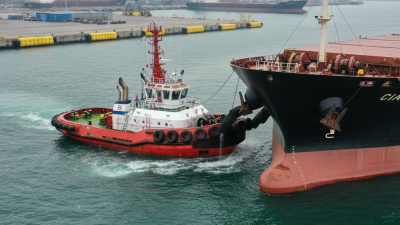
Cell Rubber Fenders are vital components in marine and port operations. These fenders absorb and dissipate energy during vessel collisions, protecting both ships and infrastructure. According to a report by Technavio, the global marine fender market is projected to grow by over 11% annually. This increase underscores the demand for robust fender systems, including Cell Rubber Fenders.
Various types of Cell Rubber Fenders are available, each designed for specific applications. They come in different shapes and sizes, which can suit various docking scenarios. The versatility of these fenders makes them suitable for ports, terminals, and offshore facilities. In a dynamic shipping environment, the right choice of fender can enhance safety and operational efficiency. However, selecting the appropriate type often presents challenges and can require in-depth analysis of vessel traffic and environmental conditions.
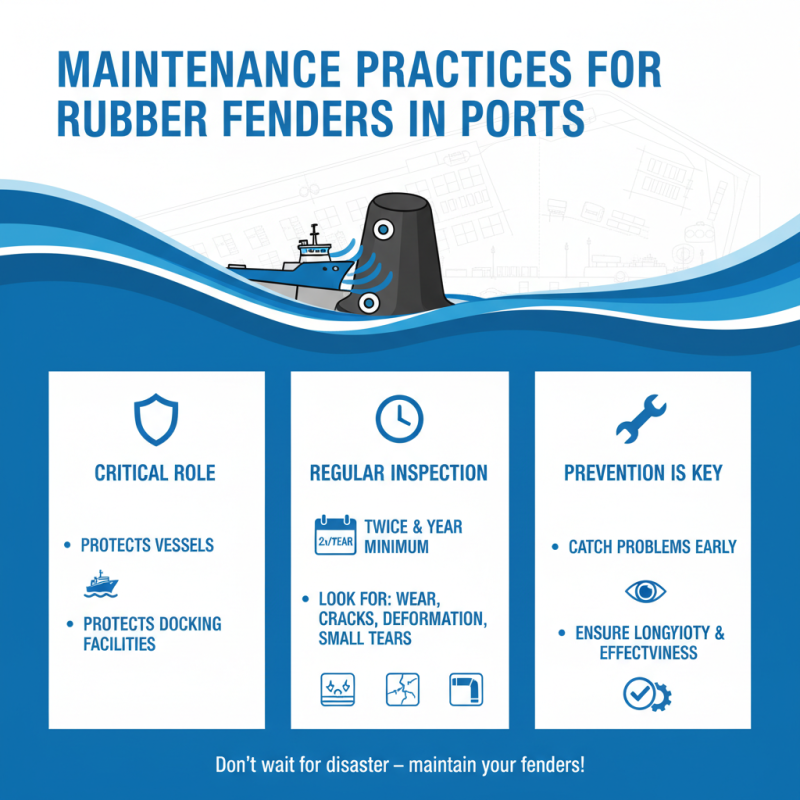
Despite their benefits, Cell Rubber Fenders can also exhibit weaknesses. Wear and tear are common, especially in high-traffic areas. Regular maintenance is crucial to ensure effectiveness and longevity. Industry experts emphasize the importance of conducting routine inspections. Addressing these issues can lead to safer docking experiences and minimize potential damage. Understanding the characteristics and applications of different Cell Rubber Fender types is essential for marine operators.
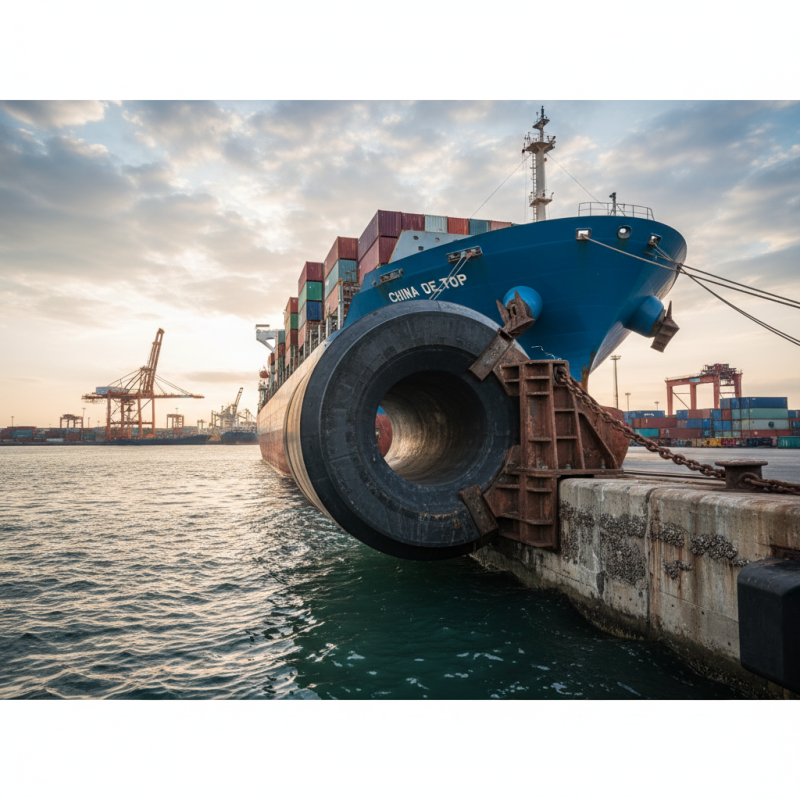
Types of Rubber Fenders Commonly Used in China
Rubber fenders are essential in China’s maritime industry. They provide protection for ships during berthing and docking. Various types optimize safety based on specific needs. The most common types are cylindrical, D-shaped, and cone fenders.
Cylindrical fenders are widely used for their versatility. They can absorb significant impact forces and are suitable for various vessels. D-shaped fenders, on the other hand, are effective for both vertical and horizontal contact. Their design allows for greater surface contact, which enhances stability during docking. Cone fenders offer a unique angle that helps accommodate larger ships. Their shape aids in energy absorption during impact.
While these types have advantages, they also have limitations. For instance, cylindrical fenders may not perform as well in rough seas. D-shaped fenders require regular maintenance to prevent wear. It’s important for operators to assess their specific needs and consider environmental factors. This ensures optimal performance and safety for vessels.
China Top Cell Rubber Fender Types and Their Applications
| Fender Type |
Material |
Size Range (mm) |
Typical Applications |
Advantages |
| Circular Fender |
Natural Rubber |
500 - 1500 |
Ports, Berths |
Good energy absorption, Easy installation |
| D型 Fender |
Natural and Synthetic Rubber |
300 - 1000 |
Marine Structures, Offshore Platforms |
Versatile applications, High durability |
| Cone Fender |
High-Density Foam with Rubber Cover |
600 - 2000 |
Shipyards, Container Terminals |
Exceptional energy absorption, Compact design |
| Square Fender |
EPDM Rubber |
500 - 1200 |
Bulk Carriers, Fishing Vessels |
Cost-effective, Simple construction |
Applications of Rubber Fenders in Maritime Environments
Rubber fenders play a critical role in maritime environments. They act as buffers, protecting vessels and structures from potential impacts. According to industry reports, ports and terminals face over 1,000 impacts daily. This high frequency emphasizes the need for reliable fender systems. Today, various types of rubber fenders are used globally, including cylindrical, conical, and arch fenders. Each type serves unique functions depending on the usage.
In cargo handling, rubber fenders help absorb docking energy. This energy absorption is vital for reducing wear on both ships and port facilities. A study noted that effective fender systems can lower maintenance costs by up to 30%. For terminals, the right fender choice enhances operational efficiency. Coupled with the increasing size of vessels, effective fender systems are no longer optional. They ensure vessels have safe berthing experiences while reducing repair and downtime.
Challenges persist in selecting the right fender for specific applications. Factors such as tidal range, berthing speeds, and vessel sizes complicate decisions. Not all fenders perform well in every scenario. Therefore, careful consideration and professional advice are critical. The maritime industry must continually evaluate these systems to improve safety and efficiency. Apex performance can often highlight weaknesses in existing installations, prompting necessary upgrades and optimizations.
Applications of Rubber Fenders in Maritime Environments
Key Features of China’s Top Cell Rubber Fenders
China's top cell rubber fenders are widely recognized for their superior performance in marine applications. These fenders feature a multi-cell design that absorbs impact efficiently. They are commonly deployed in ship-to-berth operations. Their lightweight nature allows for easier handling and installation, making them a preferred choice in busy ports.
Recent industry reports estimate the rubber fender market is projected to reach USD 400 million by 2025. The increasing global shipping industry drives this growth. A significant factor is the robust design of these fenders. They can withstand harsh marine environments and provide lasting performance. However, there is still room for improvement in the longevity of materials used.
Moreover, the versatility of cell rubber fenders is noteworthy. They are employed not only in docking areas but also in offshore platforms and mooring systems. Their adaptability to various marine structures enhances their application scope. However, some challenges persist. For example, ensuring consistent quality can be difficult. Manufacturers must focus on maintaining rigorous quality control measures to meet high standards. Ultimately, advancements in material technology may address these issues in the near future.
Factors Influencing the Selection of Rubber Fender Types
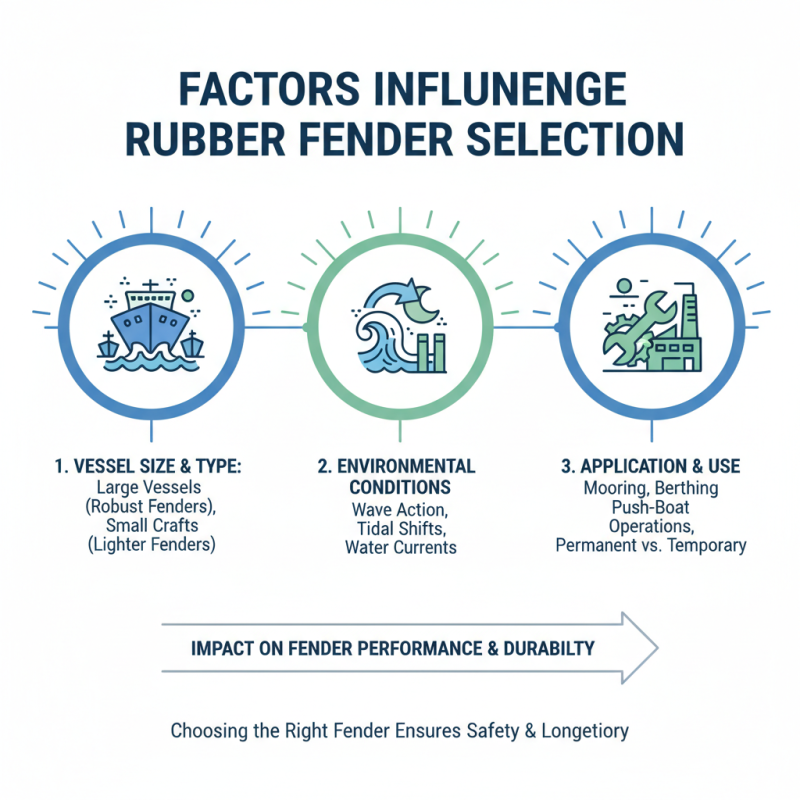
When choosing rubber fenders, several factors come into play. The specific application often dictates the type needed. For instance, applications involving large vessels may require robust fenders. Smaller crafts may benefit from lighter options. Understanding the environment is essential. Water conditions like wave action and tidal shifts impact fender performance.
Material quality also influences selection. Different rubber compounds provide varying levels of durability and elasticity. Factors like temperature and UV exposure can degrade certain materials over time. It's crucial to consider maintenance aspects, too. Regular inspections will help in identifying wear and tear early, ensuring safety and longevity.
Design features should not be overlooked. Some fenders are designed for impact absorption, while others stabilize positioning. Engaging with professionals for tailored solutions can yield better results. Yet, there’s always room for improvement in choosing the right products. Mistakes in selection may lead to costly replacements or safety hazards. Learning from past experiences is vital. Each project offers insights on what works best.