How to Choose the Best Tugboat Fender for Your Needs?
Choosing the right tugboat fender is crucial for marine operations. The fender plays a vital role in protecting vessels during docking and mooring. A poorly chosen fender can lead to costly damage. With various types of fenders available, it’s essential to consider specific needs. Understanding the size, shape, and material of tugboat fenders is important. Each option offers different advantages.
When selecting a fender, assess your operational environment. Factors like vessel size, water conditions, and frequency of use influence the choice. High-quality materials provide durability and effectiveness. It’s easy to overlook these details in the buying process. Many skip this crucial assessment, leading to problems later. Think about the long-term impact of your choice.
Consulting with industry experts can help guide your decision. Their experience can shine a light on what works best. Since no one-size-fits-all solution exists, reflecting on your unique needs is key. The right tugboat fender can enhance operational safety and efficiency. Prioritize your requirements to make an informed choice.
Factors to Consider When Selecting Tugboat Fenders
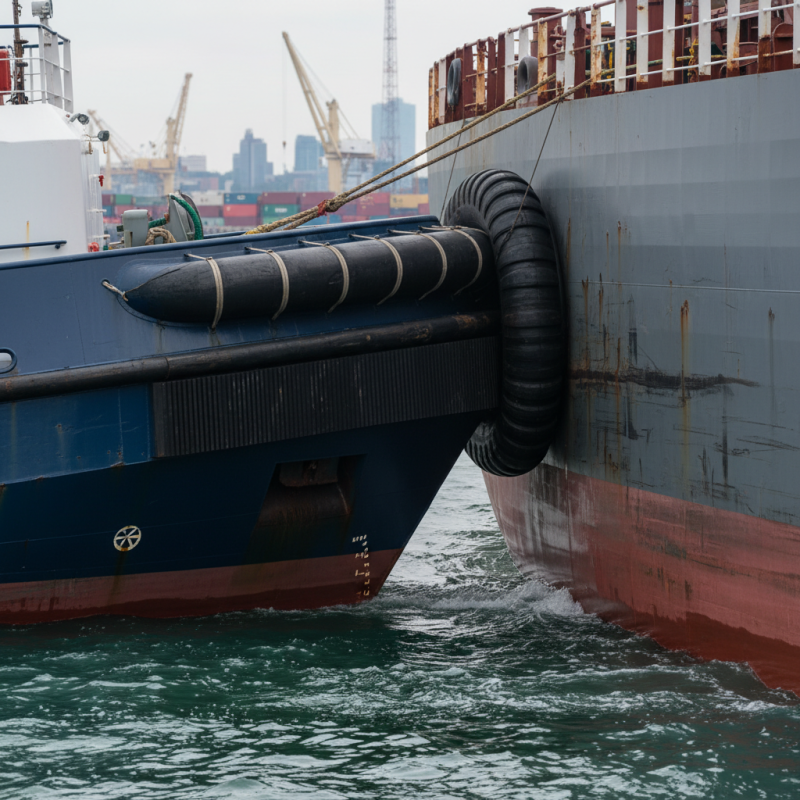
Choosing the right tugboat fender is crucial for safe marine operations. The first factor to consider is the size of the fender. A well-sized fender absorbs impact effectively, reducing damage to vessels. Measure the tugboat's dimensions and match them with the fender specifications. It’s important to avoid size mismatches, as this can lead to insufficient protection.
Material also plays a vital role in the selection process. Different materials offer varied resilience and durability. For instance, rubber fenders provide excellent shock absorption. Yet, they may not be suitable for extreme weather conditions. Steel fenders are strong but can be heavy and challenging to handle. Understanding the operational conditions can guide the material choice. This reflection helps avoid costly mistakes in fender selection.
Finally, it’s essential to think about the fender's installation and maintenance requirements. Easy-to-install fenders save time and labor costs. However, some fenders require regular checks or replacements. Ensuring that the fender aligns with your maintenance capabilities is critical for ongoing safety and efficiency. Balancing initial costs with long-term performance can be daunting. Careful planning is necessary to achieve the best outcome for your marine operations.
How to Choose the Best Tugboat Fender for Your Needs? - Factors to Consider When Selecting Tugboat Fenders
| Fender Type |
Material |
Size Range (Diameter) |
Weight (kg) |
Typical Applications |
| Inflatable Fender |
PVC |
0.5m - 2.5m |
10 - 50 |
Tugboats, Barges |
| Foam Fender |
Polyurethane |
0.8m - 3.0m |
20 - 80 |
Ports, Shipyards |
| Rubber Fender |
Natural Rubber |
0.5m - 2.0m |
15 - 70 |
Commercial Vessels |
| Cone Fender |
EPDM Rubber |
1.0m - 3.5m |
25 - 100 |
Ship Berthing |
Types of Tugboat Fenders and Their Features
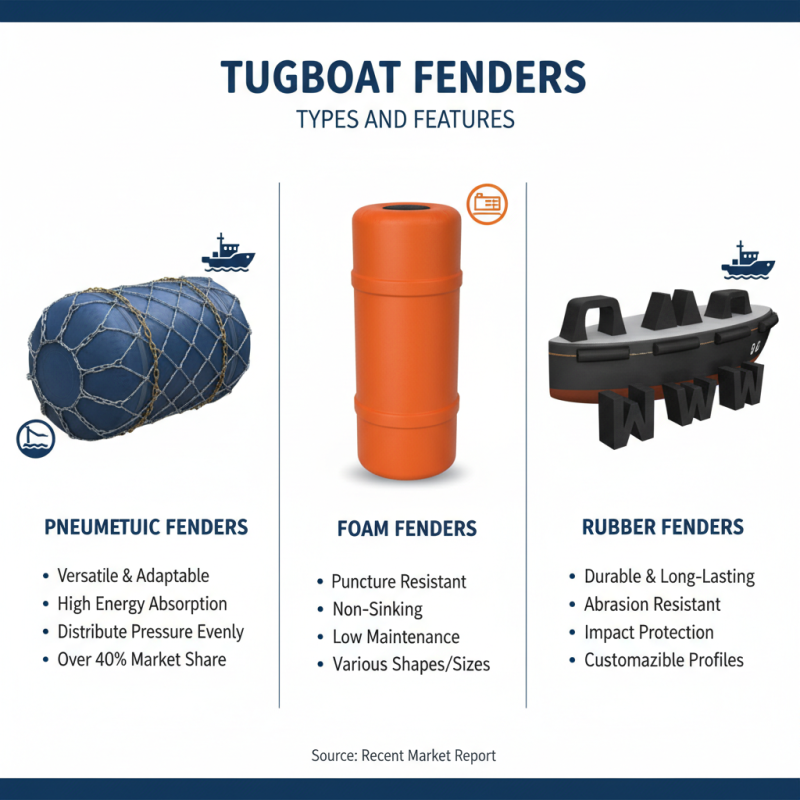
Tugboat fenders play a crucial role in maritime operations. Various types are available, each with unique features that serve different needs. The most common types include pneumatic fenders, foam fenders, and rubber fenders. According to a recent market report, pneumatic fenders account for over 40% of the global fender market due to their versatility and adaptability.
Pneumatic fenders are lightweight and buoyant, making them ideal for large vessels. They compress upon impact, providing excellent energy absorption. Meanwhile, foam fenders offer a solid structure and durability, suitable for both large and small boats. They are particularly effective in high-tide environments where stability is essential. Rubber fenders, known for their resilience, are often used in harbors or alongside dock systems. Their solid construction ensures consistent performance over time.
Choosing the right fender can be overwhelming. Factors such as vessel size, type of operation, and environmental conditions must be considered. Some professionals report difficulties in finding the right fit for specialized operations. This can lead to increased wear or even damage to both the tugboat and the fenders. Assessing specific needs and understanding the limitations of each type can mitigate these challenges. Monitoring performance and adapting fender choices over time is also essential for optimal results.
Assessing the Environmental Conditions for Fender Performance
When selecting the best tugboat fender, the environmental conditions play a crucial role in performance. Tugboat fenders interact with water, wind, and weather. Each factor impacts how well a fender absorbs impact and protects both the tug and the vessel it assists. For example, in rough seas, a fender needs to endure wave action and high winds. The material's resilience under such conditions is essential.
Understanding the water conditions is vital. If the tug operates in a rocky area, you may need a tougher fender to resist abrasion. Conversely, smooth-water operations may allow for softer materials. The temperature fluctuations also matter. Extreme cold might make some materials brittle, while excessive heat can lead to deformation. Testing different fender types in varying conditions can guide you.
Relying on standard recommendations can be misleading. It’s necessary to assess your unique environment. A fender that works well in one setting may fail in another. Field testing and expert consultations can provide valuable insights. Constant evaluation of performance under different conditions will lead to more informed decisions on fender selection.
Environmental Conditions Impacting Tugboat Fender Performance
Evaluating Size and Weight Specifications for Your Tugboat
Choosing the right tugboat fender involves careful consideration of size and weight. Proper sizing ensures the fender can absorb impact; this protects both vessels. According to a report by the Marine Insurer Association, poorly sized fenders increase the risk of damage during operations. The diameter and length are crucial; a fender that is too small may not provide adequate cushioning.
Weight specifications also play a significant role. Heavier fenders tend to stay in position better, reducing the risk of slippage during maneuvers. Industry studies indicate that a fender's weight should be proportional to the size of the tugboat. For instance, a fender weighing 400 kg is often suitable for smaller vessels, while larger tugs may require fenders exceeding 800 kg. It’s essential to balance this with ease of handling. A fender that is too heavy can complicate deployment.
There are also practical concerns. Ideal specifications may vary based on operating conditions. Tugboats working in rough seas may require heavier and more robust fenders. In contrast, those in calmer waters might benefit from lighter options. Continual assessment of usage conditions and fender performance is important. This is a complex decision-making process that should consider both environmental factors and vessel size.
Safety Standards and Regulations for Tugboat Fenders
When selecting tugboat fenders, adherence to safety standards is critical. Regulations vary by region, but compliance ensures the protection of vessels and crew. Understanding these safety standards is essential for effective usage. For instance, fenders must be made from durable materials to withstand harsh marine environments. Regular inspections are necessary to keep fenders in optimal condition.
Some safety standards focus on specific sizes and shapes of fenders. Choosing the right dimensions is crucial for effective performance. Avoid making hasty decisions when selecting fender types. Each vessel may have unique requirements. Analyze the thickness and buoyancy needed based on operational conditions.
Tips: Always review local regulations before purchasing fenders. Consult maritime experts for insights on best practices. Remember, investing time in proper research can enhance safety and performance in the long run. Keeping updated on safety standards can prevent costly accidents.