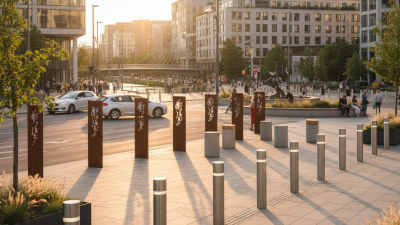
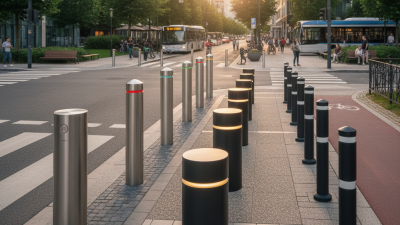
Locking bollards serve a vital role in urban safety and vehicle control. These sturdy posts, when locked, create a physical barrier that prevents unauthorized access. They are commonly seen in busy pedestrian areas, protecting public spaces from reckless driving.
Understanding locking bollards involves looking at their design and functionality. Typically made from steel, they offer both durability and strength. Their locking mechanism ensures that they can be securely raised or lowered as needed. This feature allows for flexibility in access control.
Though the benefits are clear, challenges exist. Maintenance can be an issue, and improper installation may lead to malfunction. Ensuring that locking bollards work effectively requires expertise and regular checks. As we delve deeper into the specifics of locking bollards, we aim to uncover both their advantages and possible drawbacks, creating an informed perspective on their use.
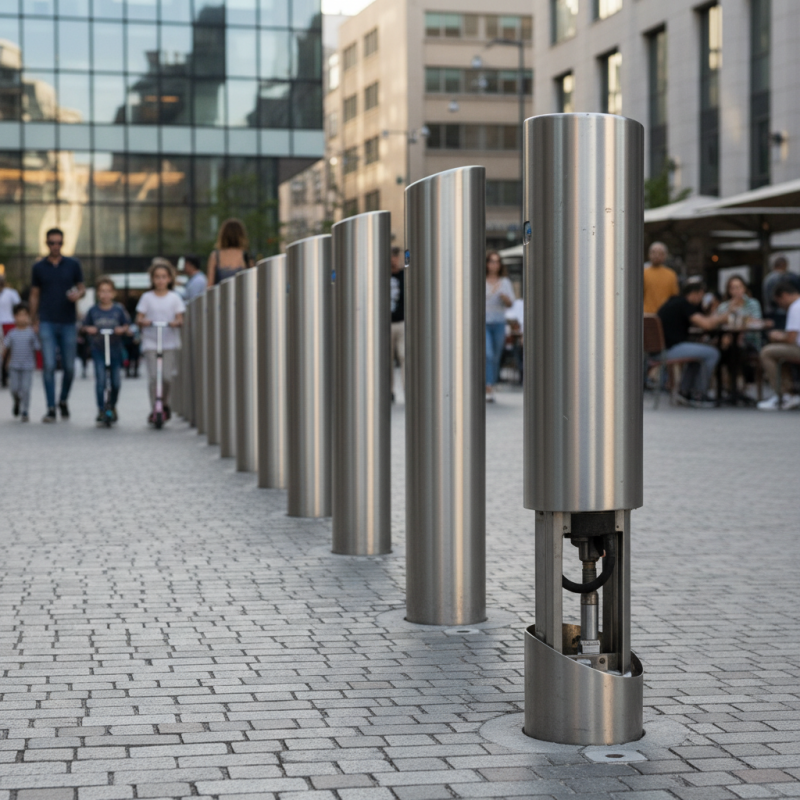
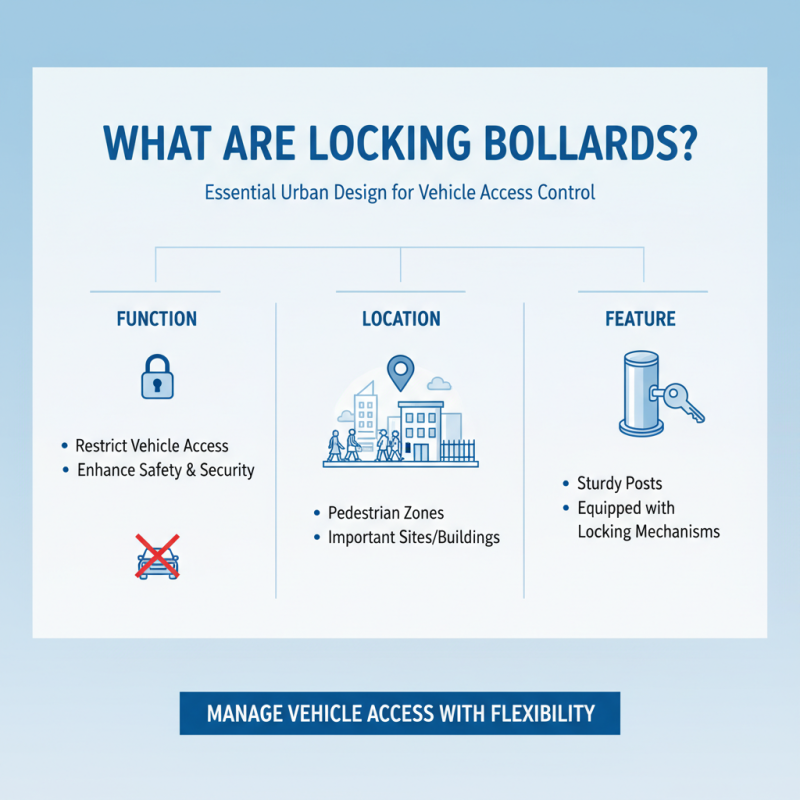
Locking bollards are essential features in urban design. They are sturdy posts designed to restrict vehicle access to specific areas. Commonly found in pedestrian zones or around important sites, these bollards enhance safety and prevent unauthorized parking. They come equipped with locking mechanisms to allow for flexibility in managing vehicle access.
Installing locking bollards can be a smart investment for property owners. However, it’s crucial to assess the surrounding environment beforehand. Not all locations need bollards, and unnecessary installation can lead to unwanted visual clutter. Evaluate the needs and potential use cases for the area before proceeding.
Tips: Consider the material of the bollards. Steel offers durability but can be more visually intrusive. Meanwhile, plastic may blend better with landscaping but lacks strength. Consultation with urban planners can help in making informed decisions about placement and design. Make sure to check local regulations regarding the use of locking bollards. Compliance ensures reliability and effectiveness.
Locking bollards are an essential feature in urban planning and security. They serve multiple purposes, such as controlling traffic and protecting pedestrian zones. But how do they actually operate? Understanding the mechanism behind locking bollards reveals their effectiveness in enhancing safety.
At the core of a locking bollard is a sophisticated locking system. This system allows for the bollard to be raised or lowered based on specific needs. In many designs, a hydraulic or mechanical mechanism provides reliable operation. The bollard can remain standing to block vehicles or retract into the ground, making room for authorized access. This dual functionality is crucial for busy city centers, where space is limited.
While locking bollards are effective, their maintenance and installation require careful consideration. Issues can arise from mechanical failures or improper installation. Regular inspections help ensure that the locking mechanism functions correctly. A failure in this system could lead to serious security breaches. Also, understanding user behavior is essential. Drivers may inadvertently damage them if they don't recognize their purpose. Hence, clear signage and well-thought-out placement are vital for their success.
Locking bollards serve as an essential tool for urban security and traffic management. They are designed to prevent unauthorized vehicle access while allowing pedestrian flow. The variety of types available for locking bollards can cater to different needs and situations.
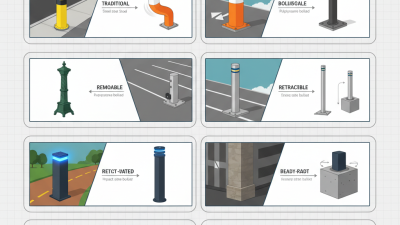
The most common types are removable, collapsible, and fixed locking bollards. Removable bollards are highly versatile. They can be taken out when needed or replaced for different uses. Collapsible bollards feature a hinge mechanism. This allows them to be lowered into a horizontal position, making them easy to navigate around. Fixed bollards are permanent installations, providing robust security and lasting solutions.
According to the National Association of City Transportation Officials, nearly 30% of cities have implemented some form of bollard systems to enhance safety. The effectiveness of these installations can sometimes raise questions about their design. For instance, how well can they adapt to evolving traffic conditions? Should cities consider softer materials that are better for pedestrian safety? These reflections are crucial for making informed decisions on locking bollard applications in urban landscapes. The choice ultimately hinges on balancing security with accessibility.
| Bollard Type | Material | Locking Mechanism | Height | Weight | Application |
|---|---|---|---|---|---|
| Removable Bollard | Steel | Keyed Lock System | 36 inches | 25 lbs | Parking Lots |
| Fixed Bollard | Stainless Steel | None | 42 inches | 30 lbs | Public Spaces |
| Collapsible Bollard | Cast Iron | Push Button Lock | 30 inches | 20 lbs | Driveways |
| Automatic Bollard | Aluminum | Hydraulic System | 36 inches | 35 lbs | Security Areas |
| Folding Bollard | Steel | Locking Pin | 24 inches | 15 lbs | Event Spaces |
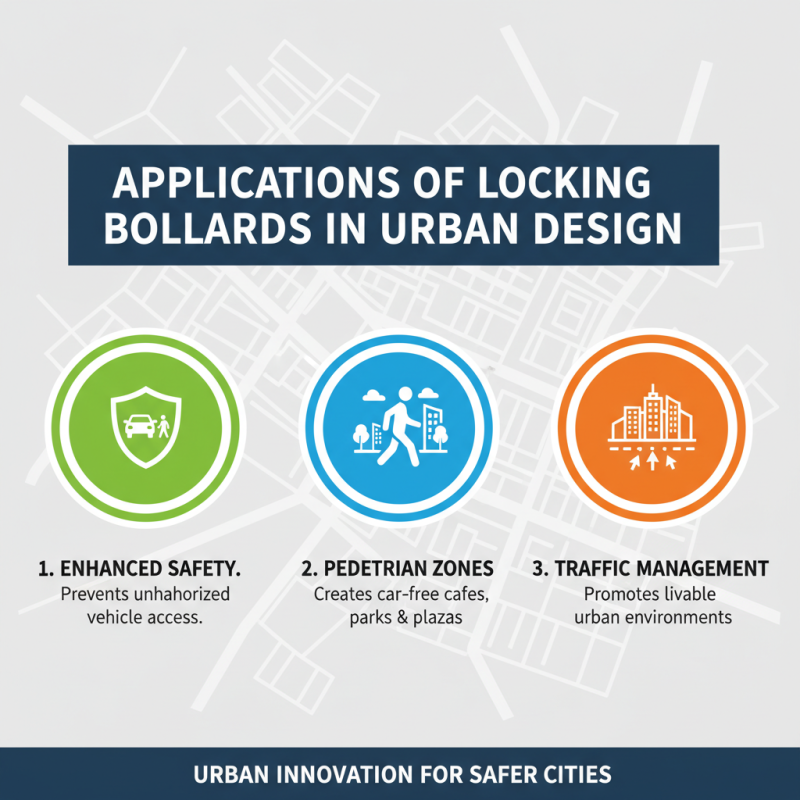
Locking bollards play a crucial role in urban design. They are sturdy posts that prevent vehicle access to specific areas. These installations provide safety and enhance pedestrian experiences in crowded spaces. In urban areas, where foot traffic is high, these bollards often form part of the design to protect cafes, parks, and shopping areas. Cities increasingly rely on effective traffic management solutions to create more livable environments.
In addition to safety, locking bollards serve aesthetic purposes. They come in various designs to fit different themes and styles. They can also be repositioned or removed for events, making urban spaces more flexible. However, their effectiveness can vary based on placement and use. Some areas might still experience vehicular breaches, leading to a need for ongoing evaluation and adjustments. Community feedback is essential to improve these installations. Urban planners often face dilemmas when balancing vehicular access and pedestrian safety.
While locking bollards are generally effective, challenges remain. Some users may misuse them or find them unsightly. There’s a delicate balance between functionality and appearance. Regular maintenance is essential to ensure their reliability. When designed thoughtfully, locking bollards contribute to creating safer urban landscapes, but they must evolve with urban dynamics.
Locking bollards are becoming a popular choice for urban areas. They serve various purposes, such as controlling vehicle access and protecting pedestrian zones. One of the main benefits is their ability to provide security while allowing flexibility. These bollards can be retracted or locked in place, making them ideal for events needing temporary vehicle access.
However, using locking bollards has limitations. They may not always stop high-speed vehicles effectively. Some designs can be cumbersome to operate, especially in emergencies. Maintenance is another consideration; mechanisms can wear out over time. Communities may also grapple with cost versus benefits. Evaluating these factors is crucial for effective urban planning, as not all installations yield the desired security level and accessibility. Additionally, while they add to safety, they can sometimes create traffic flow issues. Maintaining a balance is essential for city planners.