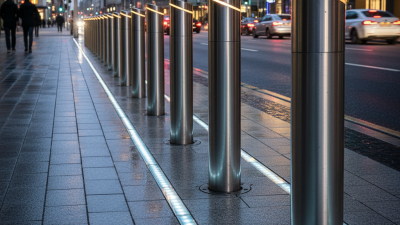
Choosing the right Parking Bollards is more than selecting a strong post and attractive finish. The decision affects vehicle control, pedestrian safety, property protection, and daily access. A useful choice begins with the site itself. Examine traffic speed, vehicle size, impact risk, weather exposure, and available clearance. A busy loading entrance needs different protection from a quiet office walkway.
Experience often reveals details that product pages overlook. Measure turning paths carefully. Check whether delivery vans can open their doors without striking nearby bollards. Consider fixed, removable, retractable, or automatic models based on access requirements. Steel may suit high-impact areas, while stainless steel can provide a cleaner appearance and better corrosion resistance. Reflective bands also improve visibility during rain, fog, or low evening light.
Performance claims deserve careful review. Look for tested impact ratings, installation guidance, warranty terms, and maintenance requirements from established manufacturers. Local building, accessibility, and fire-safety requirements should also guide the final specification. A bollard that looks suitable may still create a trip hazard or obstruct emergency access. Small details matter.
No checklist is flawless. Site conditions can change after installation. Reassess the layout when traffic patterns, landscaping, or entrance use changes. Reliable decisions combine professional advice, documented product evidence, and practical observation. The best Parking Bollards are not simply the strongest option. They are the right balance of protection, visibility, access, appearance, and long-term service.
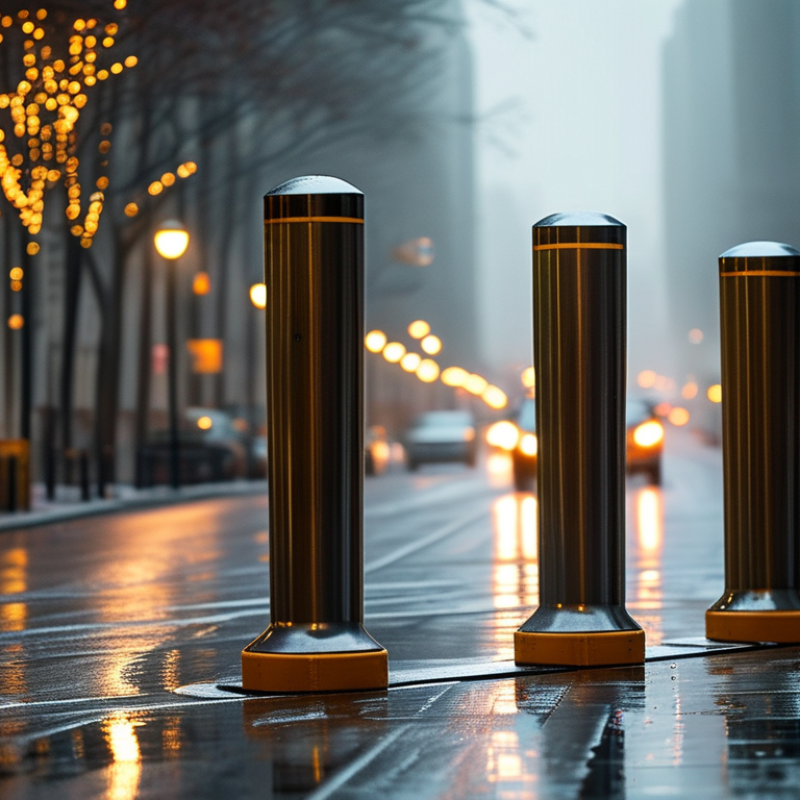
Choosing the right parking bollards starts with a clear purpose.
A bollard protecting a storefront needs different strength from one guiding traffic. During site inspections, I look for vehicle paths, pedestrian movement, delivery zones, and blind corners. A busy entrance may need fixed steel bollards, while a temporary loading area could suit removable models. Purpose shapes spacing, height, visibility, and impact resistance.
Location matters just as much.
Measure the distance between the curb, doorway, and parking line. Leave enough room for wheelchairs, carts, and emergency access. Bollards placed too close can create a narrow, frustrating route. Placed too far apart, they may fail to stop a vehicle. This is where drawings can mislead. Walk the site at different times of day. Shadows, headlights, and parked vans often reveal risks that plans miss. Check local accessibility and safety requirements before installation.
Tips:
Mark proposed positions with cones for one week. Ask drivers and pedestrians to test the route. Choose reflective bands or contrasting finishes where visibility changes at night. Review drainage, paving depth, and underground services before drilling. A small mistake here can become an expensive repair. Also question the first layout. It may look neat, but practical movement matters more.
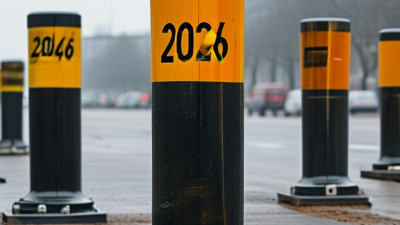
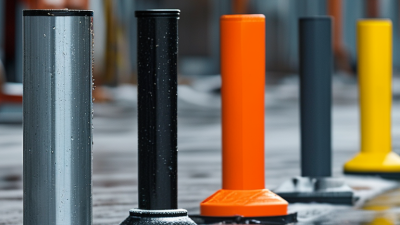
Choosing parking bollards requires more than comparing shapes or prices. Start with the threat, site layout, and required stopping distance. Fixed steel bollards suit entrances needing continuous protection. Removable or telescopic models work better where emergency or service access changes. Flexible polymer posts can guide traffic, but they usually provide limited vehicle stopping power. They are not interchangeable.
Material affects durability and performance. Galvanized steel resists corrosion in ordinary outdoor conditions, while stainless steel suits coastal or heavily salted environments. Concrete-filled steel can add strength, but installation becomes more demanding. ASTM F2656/F2656M evaluates impact performance using vehicle mass, speed, and penetration distance. Its M50 rating represents a 15,000-pound vehicle traveling at 50 mph. That figure sounds impressive. Yet a certified rating does not guarantee identical results on your site.
Impact resistance depends on foundations, spacing, soil, drainage, and installation quality. A weak concrete footing can undermine a strong bollard. PAS 68 and IWA 14-1 also assess vehicle impact performance, but their test methods and rating formats differ. Compare equivalent test conditions, not labels alone. The World Health Organization’s Global Status Report on Road Safety 2023 estimates 1.19 million annual road deaths worldwide, reminding designers that vehicle control deserves serious attention. Still, over-specifying every parking area wastes money and may obstruct pedestrians. A practical assessment should review vehicle types, approach speeds, collision angles, maintenance access, and likely replacement costs. Field experience matters. Neat specifications can still fail.
Choosing bollards starts with height, diameter, and visibility, not appearance alone. In practice, 900–1,200 mm heights suit most pedestrian protection areas. Shorter posts can disappear behind parked vehicles. Taller posts improve recognition but may obstruct sightlines near driveways. Diameter matters too. A narrow 100 mm post looks light, while a 150–200 mm post usually feels more substantial. However, stronger does not always mean safer. The foundation, spacing, and impact rating must match the site risk. ASTM F2656 and IWA 14-1 provide recognized methods for evaluating vehicle-impact resistance.
Visibility needs equal attention. The 2023 MUTCD highlights contrast and retroreflective treatments for roadside hazards. Use high-contrast bands, reflective sleeves, or integrated lighting near entrances and loading zones. Reducing visual clutter is important. NHTSA recorded 7,522 pedestrian deaths in the United States during 2022, reminding designers that small visibility failures can have serious consequences. The U.S. Access Board also requires accessible routes to maintain at least 36 inches of clear width. A dense bollard line can quietly violate that practical goal.
Tips: Measure vehicle paths during busy hours. Check night visibility from a driver’s seat. Keep spacing consistent, but do not trust a neat row blindly. I have seen attractive bollards placed too close to a curb, leaving wheelchairs with limited space. Review drainage, maintenance access, and replacement needs before installation. A perfect dimension on paper may still fail in real traffic.
Evaluate Installation Methods, Safety Standards, and Maintenance Needs
Choosing parking bollards starts with understanding the site, not selecting the most attractive product. Measure vehicle paths, pedestrian routes, underground utilities, drainage, and emergency access. A bollard beside a narrow doorway may create a safety problem instead of preventing one. Small details matter.
Installation methods strongly affect performance. Surface-mounted bollards suit finished concrete and allow easier replacement. In-ground models usually provide greater resistance, but they need suitable foundations and excavation. Removable designs can help when delivery vehicles need occasional access. Always check concrete depth, anchor strength, and soil conditions with a qualified installer. A rushed installation can fail before the bollard shows visible damage.
Safety standards deserve careful attention. Look for tested impact performance, visible markings, rounded edges, and suitable spacing for pedestrians and mobility devices. Requirements vary by location and application, so confirm current building, accessibility, traffic, and fire-safety rules with the relevant authority. Do not rely only on a product label. Ask for test documents and installation instructions.
Maintenance is often underestimated. Inspect loose anchors, corrosion, fading, cracks, and damaged reflective bands every few months. Clean dirt from reflective surfaces, especially near busy entrances. Replace damaged parts promptly. My practical view is simple: even a well-designed barrier may need adjustment after real traffic begins. Review its position after the first few weeks, because site behavior rarely matches the original drawing perfectly.
Balance Product Performance, Site Requirements, and Total Cost
Choosing the right parking bollards starts with the site, not the product catalogue. In field assessments, I measure traffic paths, turning space, drainage, and visibility before comparing models. A busy loading area needs stronger impact resistance than a quiet apartment entrance. However, excessive strength can raise installation costs without improving safety. That is an easy mistake to make.
Consider how the bollards will perform every day. Fixed units suit permanent protection, while removable designs support occasional access. Flexible units may reduce damage during minor vehicle contact, but they may not control determined impacts. Check wall thickness, anchoring depth, corrosion resistance, and reflective visibility. A dark bollard beside a poorly lit driveway can become a hazard. Small details matter.
Total cost includes more than the purchase price. Include concrete work, drilling time, traffic disruption, cleaning, repainting, and future replacement. Coastal air, road salt, and frequent impacts can shorten service life. A cheaper unit may become expensive after repeated repairs. I also recommend checking installation records and creating a simple inspection schedule. Some choices look efficient on paper but fail under real site pressure. Leave room to revise the plan after observing actual vehicle movements.