Leave Your Message

Top 10 Road Bollards for Global Buyers

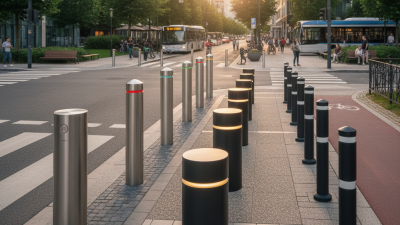
Choosing the right Road Bollards requires more than comparing prices or polished product photographs. Global buyers must consider traffic conditions, climate, installation surfaces, visibility, and maintenance access. A bollard protecting a warehouse entrance faces different risks from one used beside a hotel walkway. Small details matter.

This guide examines ten practical bollard types for commercial, industrial, residential, and public environments. It compares fixed, removable, retractable, automatic, flexible, and reflective designs. Each option is assessed through real purchasing concerns, including steel grade, impact resistance, drainage, anchoring, power requirements, and replacement costs. The discussion also considers manufacturer documentation, field experience, and advice from qualified site professionals. Local standards still require verification.

Performance comes first. Appearance follows.

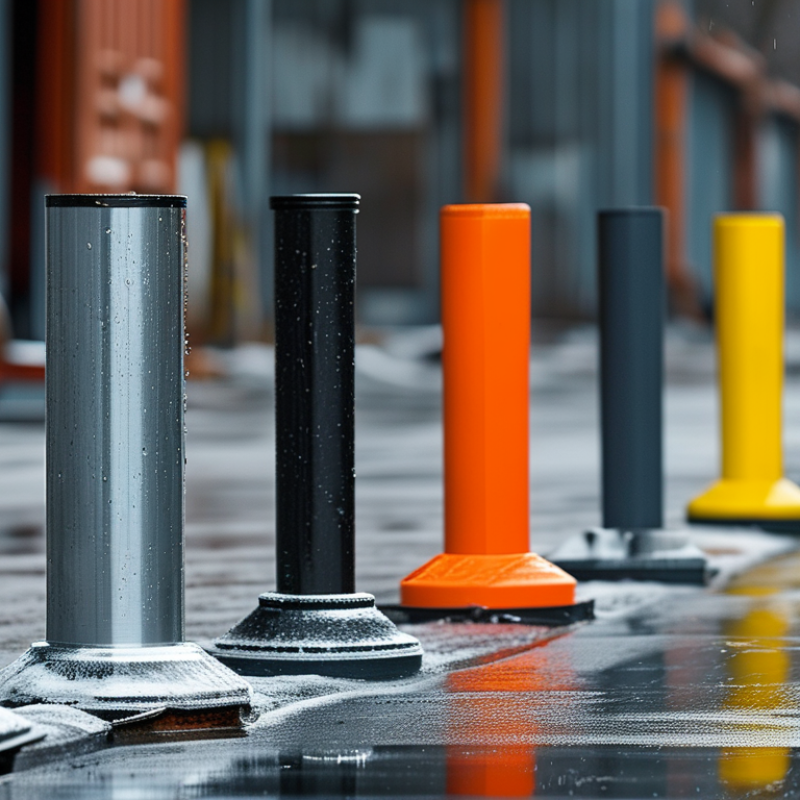
A strong model should remain visible during rain, dust, darkness, and winter glare. Stainless steel may suit coastal sites, while galvanized steel can offer dependable protection in demanding outdoor conditions. Flexible polyurethane designs may reduce damage in low-speed contact areas, but they cannot replace heavy-duty security barriers. Automatic systems offer convenience, yet sensors and motors need regular inspection. That weakness is easy to underestimate.

The following selection is not a universal ranking. Site layout, soil conditions, vehicle speed, and project budgets can change the best choice. Some products may look ideal on paper but disappoint after poor installation. Careful measurements, credible test information, warranty terms, and local technical review should guide the final decision. For global buyers, reliable protection begins with realistic evaluation, not marketing language.
Top 10 Road Bollards for Global Buyers

Road Bollards: Purpose, Design, and Essential Safety Functions

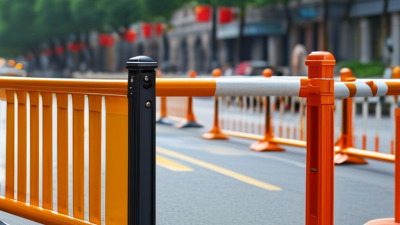
Road bollards help manage vehicle movement while protecting pedestrians, buildings, and roadside equipment. Their purpose is practical: create a visible boundary without blocking necessary access.

Fixed bollards suit permanent protection near entrances and loading areas. Removable or retractable models support occasional access, but they require careful installation and regular checks.

Design affects safety. Steel provides strong impact resistance, while flexible materials can reduce damage during low-speed contact.

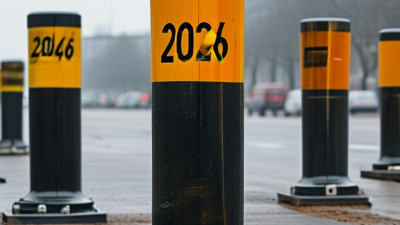
Reflective bands improve visibility at night, especially near wet roads or dim parking areas.

A wide base, secure anchors, and suitable spacing help prevent vehicles from passing between units. Drainage also matters. Trapped water can accelerate corrosion around mounting points.

Visibility matters. A common field mistake is choosing a strong bollard with poor contrast. It may protect property, yet remain difficult for drivers to notice.

Tips: Measure the road width, turning path, and pedestrian clearance before ordering. Check local standards for height, spacing, impact performance, and accessibility.

Inspect anchor bolts, paint, reflective surfaces, and surrounding pavement each season. Replace damaged components promptly. Maintenance is part of safety.

Buyers should also confirm whether the product suits snow, salt, heat, or frequent vehicle contact. A specification sheet is useful, but site conditions deserve equal attention.

Even experienced planners can underestimate delivery vehicles’ turning angles. Measure twice.
Main Types of Road Bollards and Their Suitable Applications

Top 10 Road Bollards for Global Buyers

Main Types of Road Bollards and Their Suitable Applications

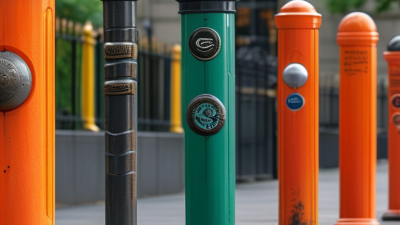
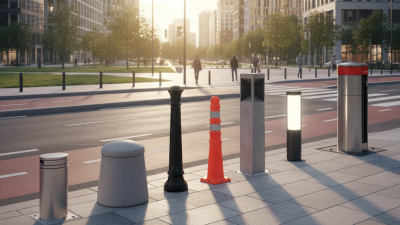
Road bollards differ by movement, strength, visibility, and maintenance needs. Fixed steel bollards suit sidewalks, loading zones, and building entrances. Removable bollards work well where emergency or service access changes often. Retractable and automatic models support controlled vehicle entry at campuses, terminals, and public plazas. Flexible polyurethane bollards absorb minor impacts and guide traffic near bends or parking lanes. Illuminated bollards improve night-time visibility around paths, crossings, and cycle routes. Decorative versions fit heritage streets, but appearance should never replace visibility or strength.

Security bollards require careful testing. Crash-rated products should show evidence under standards such as ASTM F2656, IWA 14-1, or PAS 68. These standards assess vehicle impact performance, not every installation condition. The World Health Organization’s Global Status Report on Road Safety 2023 records about 1.19 million road deaths annually. Better separation can help, but bollards cannot solve poor speed control or weak street design. A 2023 international road safety review also highlights the value of protecting vulnerable road users through safer infrastructure. The details matter.

Tips: Match spacing to the vehicle risk and pedestrian flow. Check foundation depth, drainage, reflective markings, and local accessibility rules. Measure delivery vehicles before selecting a barrier. I would also test a small section first. Real streets expose problems that drawings miss. Overly dense bollards can obstruct wheelchairs, bicycles, and maintenance crews, while weak units may bend after one impact. Expect trade-offs.

Key Standards and Selection Criteria for Global Buyers

Choosing among the top 10 road bollards requires more than comparing appearance or price. Global buyers should verify the tested standard, impact speed, vehicle mass, and installation conditions. ASTM F2656 and IWA 14-1 classify vehicle resistance through controlled crash tests. PAS 68 also evaluates hostile vehicle mitigation performance, but ratings are not automatically interchangeable.

A practical specification begins with site risk. The World Health Organization’s Global Status Report on Road Safety 2023 records approximately 1.19 million annual road deaths worldwide. This reinforces the need for clear separation between traffic control and security protection. Select visible bollards with suitable spacing, reflective markings, and rounded edges near pedestrian routes. Check whether the product supports EN 124 for access covers, relevant electrical safety rules, and local accessibility requirements.

Foundation design matters greatly. A certified bollard can fail when installed in weak soil, shallow concrete, or poorly drained ground. Ask for full test reports, not only marketing claims. Review replacement parts, emergency release procedures, corrosion protection, and maintenance intervals. Stainless steel may suit coastal areas, while galvanized systems can offer practical durability in many inland environments.

No rating fits every site. A common mistake is choosing the strongest model without considering emergency access or daily traffic flow. I would also question laboratory results that omit foundation details. Real performance depends on the entire system, including the bollard, base, controls, pavement, and trained installers.

Top 10 Road Bollards for Global Buyers — Key Standards and Selection Criteria

The chart compares common road bollard types using a procurement suitability score based on impact protection, access control, installation flexibility, visibility, and maintenance requirements. Crash-rated products should be verified against applicable standards such as ASTM F2656, IWA 14-1, PAS 68, or equivalent local requirements.

Top 10 Road Bollards Compared by Performance, Cost, and Use

Top 10 Road Bollards for Global Buyers

Top 10 Road Bollards Compared by Performance, Cost, and Use

Road bollards vary widely in impact resistance, maintenance, and installation cost. Fixed steel bollards offer strong protection for storefronts, loading zones, and busy sidewalks. They usually provide high performance at a moderate cost. Flexible polyurethane bollards bend after contact, making them useful for parking lanes and temporary traffic control. They cost less, but repeated impacts may shorten their service life. Removable steel bollards suit access points needing occasional clearance. Their performance is reliable when locking systems remain clean. Telescopic and retractable bollards save space, although moving parts increase maintenance needs. Automatic models improve controlled access, but their purchase and repair costs are higher. Reflective bollards improve night visibility. Solar-lit versions add visibility without trenching, yet battery performance can fall during long cloudy periods.

Concrete bollards deliver excellent strength and low routine maintenance. Installation is difficult, however. Water-filled plastic bollards are affordable and easy to relocate, but they offer limited impact resistance. Anti-ram bollards provide the highest protection for sensitive perimeters, subject to verified engineering and installation requirements. From practical site inspections, fixed steel often gives the best balance. Still, that judgment can change with soil, weather, and traffic volume.

Tips: Check foundation depth, reflective markings, drainage, replacement parts, and local access needs before ordering. Measure real vehicle paths, not only drawings. A low purchase price may hide expensive installation. Performance claims also deserve independent test evidence.

Installation, Maintenance, and International Purchasing Considerations

Selecting road bollards for international projects requires more than comparing prices. Site conditions should guide the choice. Fixed steel bollards suit permanent protection, while removable or retractable models support controlled access. Measure pavement depth, underground utilities, vehicle paths, and drainage before installation. A small survey can prevent expensive foundation changes later.

Installation quality determines real-world performance. Mark each position clearly, then confirm spacing with the approved traffic plan. Core drilling must avoid buried cables and pipes. Use suitable anchors, concrete strength, and corrosion protection for the local climate. In coastal areas, salt-resistant finishes deserve extra attention. Keep reflective bands clean and visible. They lose effectiveness under mud, dust, or faded adhesive.

Maintenance records improve reliability. Inspect loose bolts, impact damage, water collection, rust, and movement after heavy rain or collisions. Replace damaged reflective elements promptly. One mistake I have seen is treating bollards as maintenance-free. They are not. For international purchasing, request drawings, material certificates, load data, surface-treatment details, packaging dimensions, and installation instructions. Confirm product terminology with the supplier, because “heavy duty” can mean different things across markets. Check destination requirements for road visibility, accessibility, import documents, and electrical safety when illuminated units are involved. Allow time for factory inspection and sample approval. A cheaper unit may create higher costs through unsuitable anchors, delayed customs clearance, or difficult replacement parts.

Top 10 Road Bollards for Global Buyers - Installation, Maintenance, and International Purchasing Considerations
No. Bollard Type Typical Application Typical Height Typical Diameter Common Material / Finish Installation Method Maintenance Profile International Purchasing Considerations Indicative Service Life
1 Fixed Steel Bollard Permanent perimeter protection, sidewalks, storefronts, and loading areas 750–1,200 mm above ground 90–220 mm Carbon or stainless steel; hot-dip galvanized, painted, or powder-coated Core-drilled or set in concrete with a reinforced footing; verify underground utilities first Inspect coating, welds, base plates, and drainage annually; repair exposed steel promptly Confirm steel grade, coating thickness, wall thickness, foundation drawings, packing method, and corrosion requirements for the destination climate Approximately 15–30 years, depending on material, coating, impact exposure, and climate
2 Removable Steel Bollard Seasonal access control, event areas, emergency access lanes, and pedestrian zones 600–1,000 mm above ground 90–168 mm Galvanized or stainless steel tube with a socket, lock, and removable cap Install a below-ground receiving socket in concrete; provide positive locking and internal drainage Clean socket interiors, lubricate locks, remove sediment, and check alignment before each busy season Check key or locking-system compatibility, spare-part availability, unit weight, and export packaging for detachable components Approximately 10–25 years; sockets and locks may require earlier replacement
3 Flexible Polyurethane Bollard Traffic islands, parking lots, lane separation, and low-speed guidance 450–1,000 mm 80–150 mm UV-stabilized polyurethane or elastomer with reflective bands and a steel mounting plate Bolt to asphalt or concrete using anchors sized for the substrate; maintain the specified spacing Wash periodically, inspect for tearing and UV degradation, and replace units that no longer return upright Request UV-aging data, operating-temperature range, rebound performance, reflective-material specification, and replacement-base details Approximately 5–12 years, depending on traffic frequency, sunlight, and impact severity
4 Telescopic Security Bollard Driveways, residential entrances, parking controls, and restricted vehicle access 500–900 mm when raised 60–114 mm Galvanized or stainless steel telescopic tube with manual lock and ground sleeve Excavate and concrete the sleeve below the finished surface; ensure the retracted unit drains properly Remove grit, lubricate the mechanism, inspect the lock, and check that the tube fully retracts Verify collapsed depth, lock type, cylinder replacement options, drainage design, and installation-tool requirements Approximately 8–20 years with routine cleaning and lock maintenance
5 Fold-Down Parking Bollard Private parking bays, reserved spaces, service entrances, and access gates 450–750 mm upright 50–100 mm tube or formed section Powder-coated or galvanized steel with hinge, locking pin, and reflective panel Surface-mount to concrete or sound asphalt with expansion or chemical anchors Inspect hinge pins, fasteners, lock, and reflective markings; retighten anchors when necessary Check folded clearance, anchor type, replacement hinge parts, local visibility requirements, and carton dimensions Approximately 8–15 years in normal parking applications
6 Solar LED Traffic Bollard Pedestrian routes, traffic islands, work zones, and low-light road-edge marking 600–1,000 mm 100–180 mm Steel, aluminum, or polymer housing with solar panel, rechargeable battery, and LED optics Anchor to a stable paved surface; orient the solar panel toward adequate sunlight and keep it unobstructed Clean the solar panel, test night operation, inspect seals, and replace batteries according to cycle life Confirm battery chemistry, autonomy in cloudy conditions, ingress protection, photovoltaic specifications, and applicable electrical rules Housing approximately 8–15 years; battery commonly 2–5 years, depending on chemistry and temperature
7 Cast-Iron Heritage Bollard Historic districts, civic spaces, plazas, and streetscape projects 600–1,100 mm 150–300 mm Cast iron or ductile iron with primer and painted, powder-coated, or galvanic protection Set over a concrete foundation or bolt through a base flange; account for high unit weight Inspect for impact cracks, coating failure, rust at joints, and water accumulation; repaint damaged areas Confirm casting quality, wall thickness, lifting points, pallet limits, finish color tolerance, and breakage protection during transport Approximately 20–40 years with suitable coating and periodic refurbishment
8 Heavy-Duty Crash-Resistant Bollard Critical infrastructure, public buildings, loading docks, and high-security perimeters 900–1,200 mm above ground 168–273 mm or engineered rectangular sections Thick-wall structural steel, often galvanized or coated for outdoor exposure Engineer a reinforced concrete foundation to suit the tested or calculated vehicle-impact requirement Perform scheduled structural inspections; examine welds, foundations, corrosion, and impact damage after any collision Demand independent impact-test evidence, test vehicle details, foundation drawings, load assumptions, and conformity documents Approximately 20–30 years, subject to impact events and engineering inspection
9 Automatic Retractable Bollard Controlled vehicle entrances, commercial sites, campuses, and managed access roads 500–800 mm raised 114–275 mm Stainless or galvanized steel cylinder with hydraulic, electromechanical, or pneumatic drive Requires excavation, drainage, power cabling, control equipment, safety loops, and commissioning by qualified installers Service moving parts, test emergency release and detection systems, clear drainage, and inspect seals regularly Verify voltage and frequency, ingress protection, duty cycle, spare-part support, customs classification, and local electrical certification Approximately 10–20 years; actuators, sensors, and control components may need earlier service
10 Chain-Linked or Flexible-Post Bollard Temporary pedestrian guidance, car parks, queue management, and light-duty access control 750–1,000 mm 50–100 mm Powder-coated steel, recycled polymer, or flexible plastic with hooks and reflective bands Use weighted portable bases or surface anchors; install chain spans without creating a trip hazard Clean surfaces, check chain hooks and bases, replace cracked posts, and maintain reflective visibility Confirm base weight, nesting or stacking efficiency, recycled-content claims, color consistency, and package count per carton Approximately 3–10 years, depending on portability, UV exposure, and handling frequency
Purchasing note: Dimensions, service lives, material choices, and installation requirements are typical industry ranges rather than guaranteed specifications. Buyers should obtain project-specific drawings, impact-performance evidence where required, corrosion-protection details, applicable conformity documents, and destination-country installation guidance before placing an international order.