Why Choose Warehouse Bollards for Your Safety Needs?
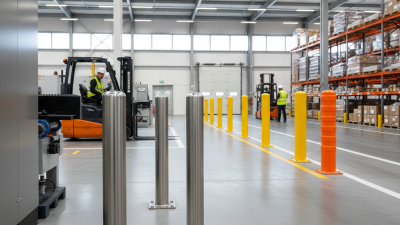
Warehouse Bollards play a crucial role in ensuring safety in industrial environments. These robust structures are strategically placed to protect both personnel and property. Their design allows them to withstand significant impact, making them essential for high-traffic areas.
Implementing Warehouse Bollards can significantly reduce the risk of accidents. They act as physical barriers, preventing collisions between vehicles and sensitive areas. In busy warehouses, where forklifts and pedestrians coexist, these bollards enhance safety measures. Their visibility alerts drivers about restricted zones, further promoting a secure working environment.
While Warehouse Bollards are effective, their placement requires careful consideration. Misaligned or inadequate installation can lead to safety hazards rather than mitigating them. Regular inspections and maintenance are necessary to ensure their reliability. Investing in the right bollard solutions is an essential step towards fostering a safer warehouse atmosphere.
Benefits of Warehouse Bollards for Enhanced Safety
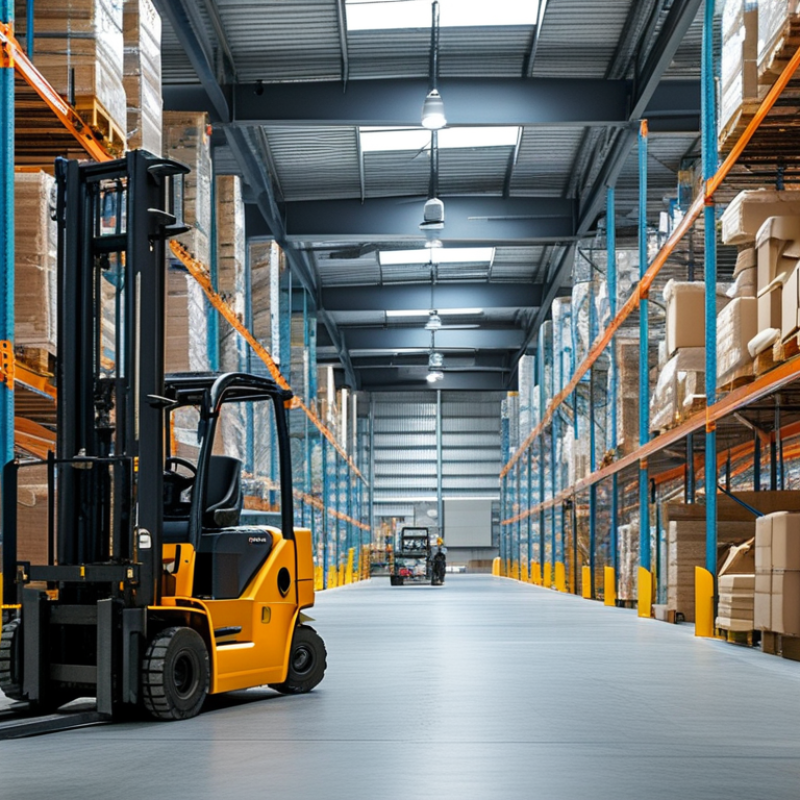
Warehouse bollards play a crucial role in enhancing safety. They provide a strong physical barrier that protects vital equipment and personnel in busy environments. According to the Occupational Safety and Health Administration (OSHA), approximately 100 fatalities occur each year due to collisions in warehouses. Bollards can significantly reduce this risk by directing traffic and preventing vehicles from entering pedestrian areas.
Installing bollards can bolster safety protocols. A study by the National Safety Council noted that adding physical barriers reduces accidents by up to 40%. This statistic emphasizes the importance of using bollards in scenarios where heavy machinery operates. They not only create a safer environment but also serve as a visual cue for drivers and workers, making them aware of potential hazards.
Implementing warehouse bollards raises concerns, too. Are they placed correctly? Are the materials durable enough to withstand daily impacts? Regular assessments can ensure long-term reliability. Some organizations might overlook regular maintenance, risking their safety benefits. As data shows, ensuring the effectiveness of these safety features requires ongoing attention.
Types of Warehouse Bollards and Their Specific Uses
Warehouse bollards come in various types, each serving specific safety functions. They are essential for preventing vehicle collisions with buildings and equipment. According to a report by the National Safety Council, more than 20% of workplace injuries are caused by vehicle-related accidents. The right bollard can reduce these incidents significantly.
One common type of bollard is the impact-resistant model. This design can absorb force from collisions, protecting not just structures but also personnel. Another variant, the removable bollard, allows for flexibility in space usage. Data from the Occupational Safety and Health Administration indicates that businesses using bollards see a 30% decrease in accidents. However, placement is vital, as poorly positioned bollards can become obstacles themselves.
Additionally, reflective bollards enhance visibility, especially in low-light conditions. Reports show that visibility plays a crucial role in accident prevention. However, over-reliance on reflective materials without proper lighting can result in unforeseen risks. Evaluating the site’s specific needs is essential to ensure maximum effectiveness. Each type of bollard has its pros and cons, and a thoughtful approach is never wasted.
Factors to Consider When Choosing Warehouse Bollards
When selecting warehouse bollards, several key factors can significantly impact workplace safety. The primary objective of bollards is to protect both personnel and infrastructure. According to a report from the National Safety Council, about 20% of workplace accidents involve vehicle collisions. Choosing the right type of bollard can help mitigate this risk.
Material is a crucial consideration. Steel bollards are known for their strength and longevity. They can withstand significant force, making them ideal for high-traffic areas. However, plastic or concrete options may offer sufficient protection in lower-risk zones. Understanding the specific needs of each area in the warehouse is essential to make an informed choice.
Height and visibility play a vital role in safety. Taller bollards can be more effective in alerting drivers to hazards. Bright colors and reflective markings can enhance their visibility, which is especially crucial in poorly lit areas. To ensure effectiveness, assess the lighting conditions in your warehouse.
When choosing warehouse bollards, consider the potential for human errors. No system is foolproof, but investing in quality bollards can minimize risks. Regular inspections and maintenance are necessary to ensure that bollards remain effective over time. Consider the feedback from employees who work in these areas; their insights can highlight areas for improvement.
Installation and Maintenance Tips for Warehouse Bollards
Proper installation of warehouse bollards is essential for safety. Ensure they are placed at key points where vehicle traffic is common. The installation height should be appropriate to maximize visibility while not obstructing pathways. Secure them into concrete for stability. The spacing between bollards should prevent vehicle encroachment without hindering pedestrian movement. Regular checks are needed to ensure they remain upright and functional.
Maintenance is crucial for longevity. Inspect bollards for signs of wear or damage. Rust can weaken steel bollards, so applying a protective coating is beneficial. If a bollard is hit, assess whether it needs repair or replacement. Marking them can increase visibility, reducing the chances of impacts. Remember, neglected bollards may not provide the necessary protection.
Consider the environment when choosing materials. For wet areas, corrosion-resistant options are best. Reflective colors can enhance visibility during low light. Evaluate the surrounding landscape; tall plants might obscure them. Regular training for staff can help remind them of the importance of bollard maintenance. Keeping safety in mind ensures that these structures serve their purpose effectively.
Warehouse Bollard Safety Needs Analysis
Compliance Standards and Regulations for Warehouse Safety Solutions
Warehouse safety is paramount for protecting both employees and assets. Compliance with safety standards is not just about meeting regulations; it’s an essential practice for maintaining a safe work environment. Utilizing warehouse bollards effectively demonstrates a commitment to these standards. They protect personnel and infrastructure from accidents caused by moving equipment.
Understanding compliance helps enforce safety protocols. Various regulations outline requirements for physical barriers. Bollards serve as a visible reminder of safety measures. They guide traffic flow and designate safe walking paths. However, merely installing bollards is not enough. Regular inspections and maintenance are critical. Evaluating their condition ensures ongoing compliance and effectiveness.
Many warehouses overlook the importance of proper placement. Bollards should be strategically located where risks are highest. Workers should be trained to recognize safe zones. Implementing a comprehensive safety strategy requires ongoing reflection. Warehouse managers must assess risks continuously. This proactive approach can significantly enhance overall safety.