How to Choose the Right Warehouse Bollards for Your Facility?
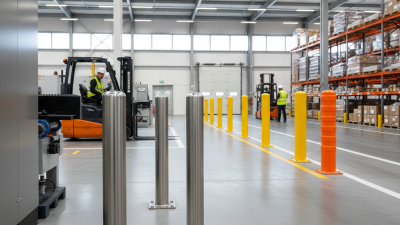
When it comes to the safety of your facility, choosing appropriate Warehouse Bollards is crucial. As industry expert Sarah Thompson states, “The right bollard can prevent accidents and save lives.” Bollards serve as protective barriers, shielding workers, equipment, and structures from vehicle impacts. Selecting the right type involves understanding your specific needs and environment.
Consider various factors, such as the level of traffic and potential hazards. Not all Warehouse Bollards are created equally. Some may offer high impact resistance, while others focus on aesthetic appeal. Reflecting on your facility's layout can lead to better choices. Conducting an audit of high-risk areas helps identify where these resilient barriers are most needed.
However, it’s easy to overlook the importance of proper installation. Neglecting this step can render even the best bollards ineffective. Engaging professionals for installation ensures the bollards serve their purpose effectively. It’s not just about having Warehouse Bollards; it’s about making informed decisions that enhance safety and efficiency in your facility.
Understanding the Purpose of Warehouse Bollards in Facility Safety
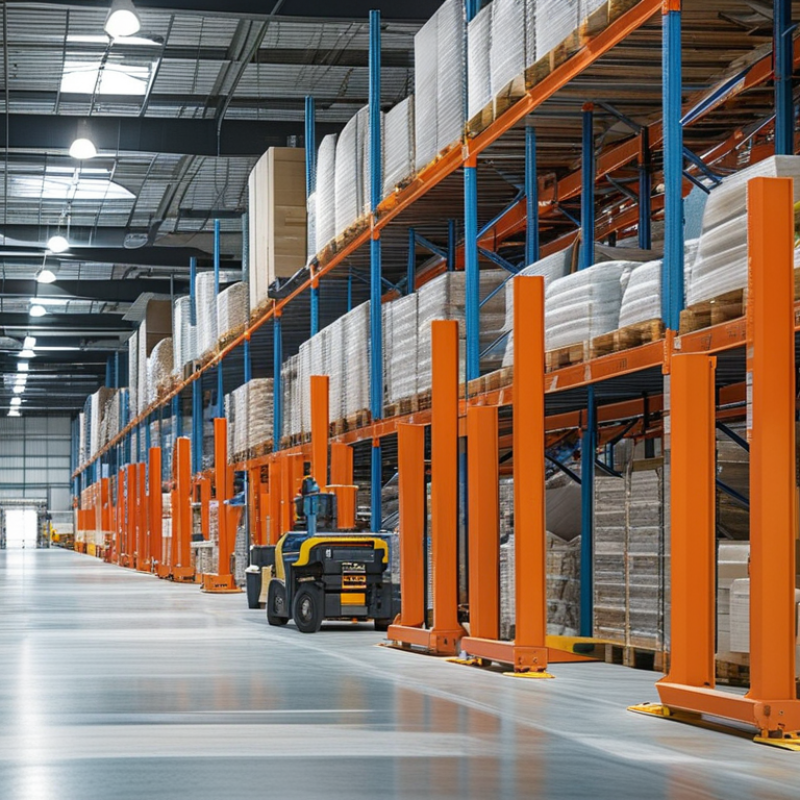
Warehouse bollards play a vital role in facility safety. They act as physical barriers, protecting critical areas from potential vehicle impacts. The purpose of these bollards extends beyond mere protection; they also guide pedestrian traffic and prevent unauthorized access. In busy environments, it’s essential to define safe zones with clear boundaries.
Choosing the right bollard requires understanding specific needs. For instance, consider the traffic patterns in your facility. If heavy machinery operates nearby, choose sturdier options that can absorb impact. Material selection matters too; steel and concrete offer high durability. Yet, they might not fit every aesthetic or safety requirement. Reflect on how visibility affects safety. Bright-colored bollards are more noticeable, which can help reduce accidents.
Evaluating existing safety measures reveals gaps. Some facilities overlook the significance of bollards entirely. Regular assessments can highlight areas in need of improvement. This can lead to better-informed decisions regarding the type and placement of bollards. Your safety strategy should evolve alongside operational changes, ensuring your facility adapts to new challenges.
Evaluating Different Types of Warehouse Bollards and Their Features
When selecting warehouse bollards, it’s crucial to understand their types and features. Concrete, steel, and plastic bollards serve different purposes. Concrete bollards are sturdy and durable, often used for traffic control and protection. Steel options offer high resistance to impact, ideal for high-traffic areas. On the other hand, plastic bollards are lightweight and versatile, fitting areas where appearance matters. According to a recent industry report, 40% of warehouse injuries are related to vehicle collisions. The right bollard can significantly reduce this risk.
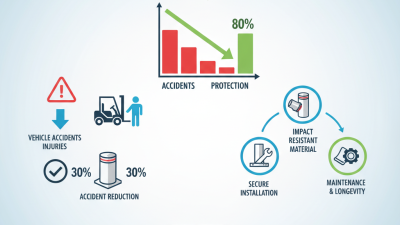
Additionally, consider the height and visibility of the bollards. Shorter bollards may not effectively deter forklifts, while taller ones could obstruct visibility for drivers. Studies show that color and reflectivity increase safety; yellow bollards are recognized as a warning sign. An analysis from the Warehouse Safety Association indicates that properly placed bollards reduce accidents by up to 30%.
The choice also depends on environmental factors, like exposure to chemicals or extreme weather. Some materials degrade faster under certain conditions. Regular maintenance is also essential for effectiveness. While selecting the right bollard seems straightforward, overlooking details can lead to safety gaps. Careful evaluation is needed to ensure the best protection for your facility.
Assessing the Impact Resistance and Durability of Bollard Materials
When selecting warehouse bollards, assessing their impact resistance and durability is crucial. Bollards face various forces, and their material significantly impacts performance. According to a report by the American Association of State Highway and Transportation Officials (AASHTO), steel bollards can withstand impacts ranging from 5,000 to 15,000 pounds. This variability depends on factors like installation depth and surrounding surface materials.
Different materials offer unique benefits. For example, concrete bollards are robust and withstand considerable damage. However, they can be prone to cracking under extreme conditions. In contrast, plastic or composite bollards provide low maintenance options, but their impact resistance might not match metal alternatives. A study from the National Institute of Standards and Technology (NIST) highlighted that some plastics lose structural integrity over time, which could compromise safety.
It's essential to consider intended use scenarios. If a facility regularly handles heavy machinery, more robust materials like steel are advisable. On the other hand, environments with low impact risk might adopt lighter materials. Evaluating the specific needs of a facility can lead to better long-term decisions regarding safety and efficiency in operations.
Determining Ideal Bollard Placement for Maximum Protection
Determining the ideal placement of warehouse bollards is crucial for ensuring maximum protection. Effective positioning can reduce the risk of accidents and enhance safety. Research indicates that proper bollard placement can decrease vehicle collisions by up to 70%. This statistic underscores the importance of strategic planning when integrating bollards into facility design.
Bollards should be positioned in high-traffic areas, particularly near loading docks and pedestrian walkways. The recommended distance is around 5 feet from loading zones to protect both workers and equipment. However, many facilities face challenges in implementing this. Overlapping pathways or misjudged distances can lead to ineffective setups. Monitoring the flow of traffic in your facility is essential. Continuous assessment might reveal areas needing additional protections.
Additionally, consider the height and visibility of bollards. Taller bollards are often more effective at deterring vehicles. However, they can obstruct view lines if placed incorrectly. Adequate spacing between bollards is also necessary, as crowding can reduce their efficacy. Industry reports suggest that a spacing of 4 to 6 feet ensures maximum impact while maintaining accessibility. Careful reflection on these elements can lead to improved strategies for warehouse protection.
Compliance with Local Regulations and Standards for Warehouse Bollards
When selecting warehouse bollards, compliance with local regulations is crucial. Each city or region may have specific rules regarding height, spacing, and even color. Ignoring these can lead to hefty fines or unsafe working environments. Always check your local guidelines before making a decision.
Tips: Start by researching your town or city’s codes. Don't rush this step. A small oversight can cost more than money; it can affect safety.
Additionally, the type of bollard may vary based on your facility's needs. For example, heavy-duty bollards are essential in areas with high vehicle traffic. They reduce the risk of accidents effectively. However, decorative bollards can enhance aesthetics in low-traffic areas while still providing some obstruction.
Tips: Assess foot traffic and vehicle patterns in your area. This information helps identify the appropriate strength and style. Sometimes, you might find that simple solutions are overlooked, leading to unnecessary complexities.