What is a Security Bollard and Why is it Important?
Security bollards play a critical role in protecting public spaces. They are designed to manage vehicle access and enhance safety in crowded areas. According to John Miller, a security specialist at Urban Safety Solutions, “Security bollards are vital for preventing unauthorized vehicle access and ensuring pedestrian safety.” This insight reflects the growing necessity for effective security measures.
These sturdy barriers can deter potential threats and accidents. They come in various designs and materials, catering to different environments. From urban centers to residential areas, security bollards create a safer atmosphere. Their versatility allows integration into architectural designs, serving both as protective measures and aesthetic enhancements.
Despite their importance, many organizations overlook the need for proper installation and regular maintenance. This can lead to vulnerabilities in security systems. It's crucial to invest time and resources in training for those responsible for these installations. An informed approach can significantly enhance the efficacy of security bollards and ultimately improve safety for everyone.
Definition and Purpose of Security Bollards
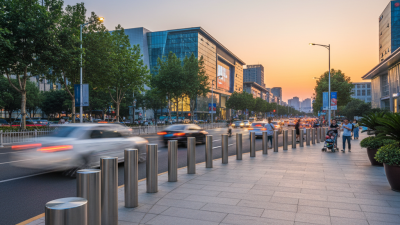
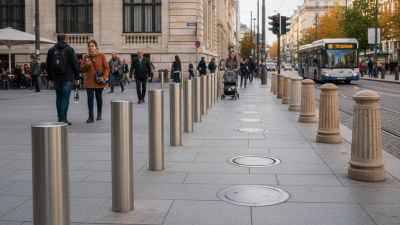
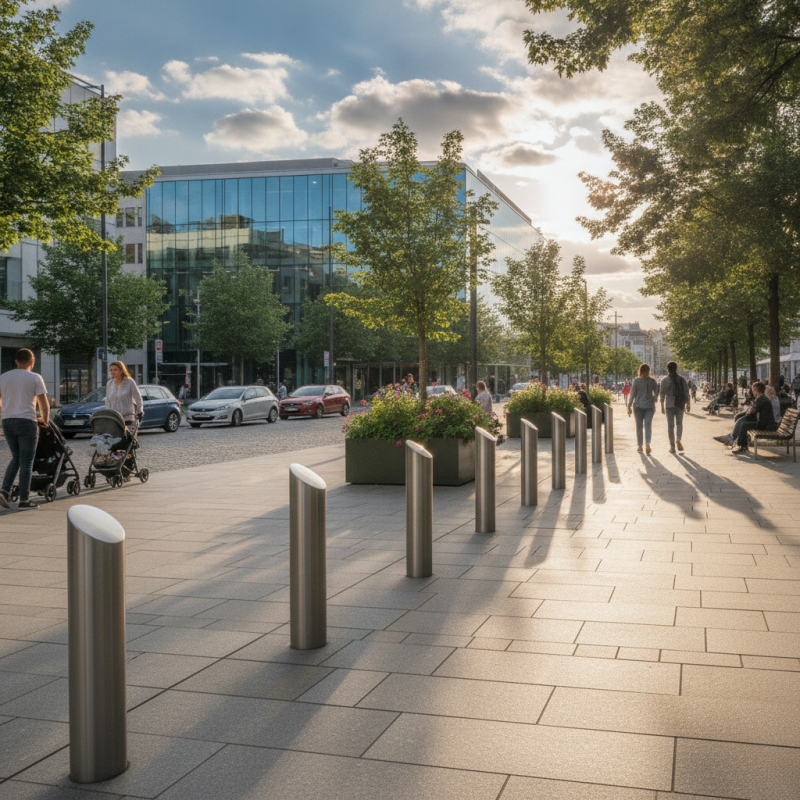
Security bollards are essential devices designed to protect people and property. They are sturdy posts often made of steel or concrete. These structures serve as barriers, preventing vehicles from entering restricted areas. Their presence can significantly reduce the risk of accidents and enhance the overall safety of public spaces.
In urban environments, security bollards are strategically placed at entrances, pedestrian areas, and event venues. They create a physical barrier that deters unauthorized vehicle access. The design can vary, offering both functional and aesthetic benefits. Some bollards are retractable, allowing vehicle access when needed. Others are fixed, providing continuous protection. However, improper placement can lead to challenges, such as obstruction of emergency services.
The importance of security bollards cannot be underestimated. They protect against potential threats while ensuring pedestrian safety. Yet, their effectiveness is dependent on proper design and placement. Community feedback can help in assessing their impact. Ongoing evaluation and adaptation are necessary to meet evolving security needs.
Types of Security Bollards and Their Applications
Security bollards are crucial for protecting public spaces. They provide physical barriers to prevent unauthorized vehicle access. These installations can vary in design and function. Types include fixed, removable, and retractable bollards, each serving specific security needs.
Fixed bollards are permanent structures. They are often made of concrete or steel. Their strength is vital in high-risk areas like government buildings. Removable bollards offer flexibility. They can be taken out to enable access during events. Their versatility is essential for adapting to different security situations.
Retractable bollards combine the best of both worlds. They can be lowered or raised based on need. A 2020 industry report indicated that cities using bollards saw a 30% reduction in vehicle-related incidents. Despite their effectiveness, they must be installed thoughtfully. Poor placement can lead to accessibility issues. Ensuring they are correctly positioned is essential for maximizing safety benefits. This highlights the need for ongoing evaluation in security practices.
Benefits of Installing Security Bollards
Security bollards play a crucial role in protecting public spaces and buildings. They are designed to absorb impact and redirect vehicles away from vulnerable areas. Their presence offers a physical barrier that enhances safety for pedestrians and property. Installing these bollards can significantly reduce the risk of accidents.
When considering the benefits of security bollards, one must understand their effectiveness in crime prevention. They deter unwanted traffic and can discourage potential threats. Strategically placed bollards make it difficult for unauthorized vehicles to access critical areas. This added safety can foster a sense of security for employees and visitors.
Tips for installing security bollards include evaluating placement locations. Choose high-risk areas or entrances that need protection. Consider visibility; bollards should be seen clearly to be effective. Reflect on the design and materials; durability is essential for long-term function. While these elements seem straightforward, assessing each factor thoroughly can lead to a more successful implementation.
Prioritizing safety with these thoughtful considerations can transform a space into a more secure environment.
Factors to Consider When Choosing Security Bollards
When selecting security bollards, several factors should be top of mind. The material is crucial. Options include steel, concrete, and polymers. Each material offers different levels of durability and resistance. For high-traffic areas, steel is often favored. Its strength minimizes damage from vehicles. Concrete bollards provide robust barriers but can be more cumbersome to install.
The height and width of the bollards are also vital. Taller bollards deter vehicles more effectively, especially in urban settings. The spacing between bollards matters too. If installed too far apart, vehicles could easily navigate between them. A thoughtful design balances aesthetics and functionality. The visibility of the bollards should not be overlooked. Bright colors or reflective surfaces enhance their visibility.
Consider the environment where they will be placed. Coastal areas may require additional rust protection. In colder climates, materials must withstand extreme temperatures. Regular maintenance is essential, as wear can compromise security. While bollards serve a crucial purpose, their placement should be regularly evaluated for effectiveness.
Maintenance and Inspection of Security Bollards
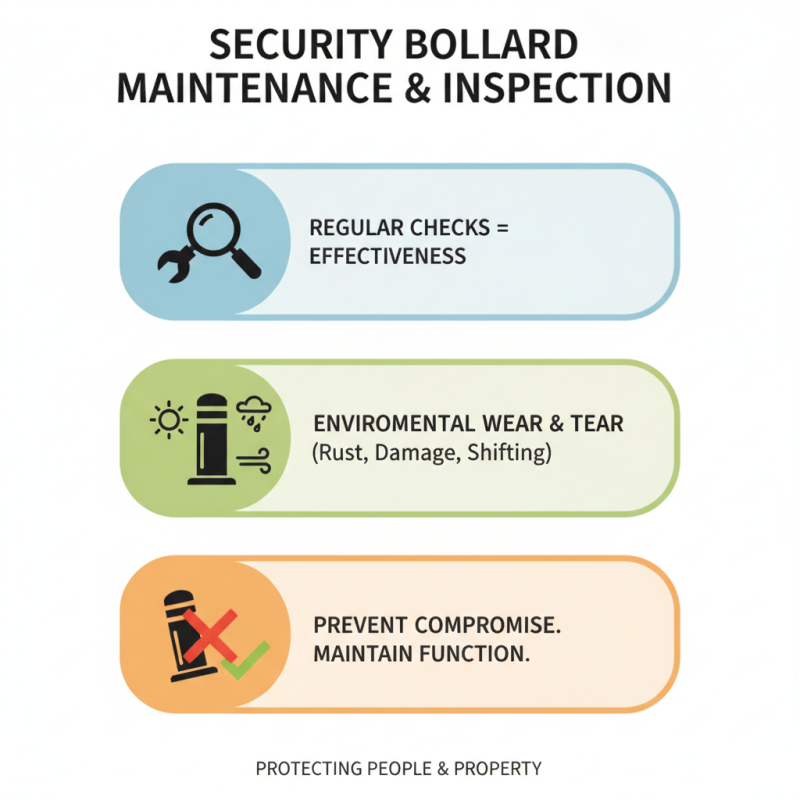
Regular maintenance and inspection of security bollards are essential for ensuring their effectiveness. Over time, environmental factors can cause wear and tear. Frequent inspections help identify issues like rust, damage, or shifting. These problems can compromise the bollard’s functionality, making it vital to check them regularly.
An inspection should include checking the foundation and structural integrity. If any bollard appears loose, it needs immediate attention. Simple procedures, such as cleaning and repainting, can enhance their durability. Many forget about visibility; a painted and clean bollard stands out more effectively.
Documentation of inspections is often overlooked, yet it provides a record over time. Noting repairs and replacements helps maintain consistency. Regular assessments also ensure compliance with safety regulations. Ignoring these practices can lead to serious consequences. Investing time in the upkeep of security bollards truly pays off.