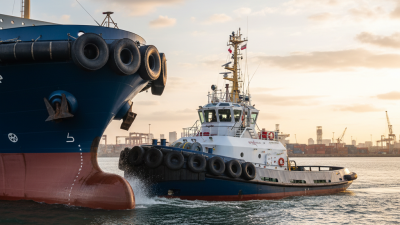
China Top 10 Tugboat Fender Manufacturers to Buy From examines a critical component in port safety and vessel handling. Tugboat Fender systems absorb contact energy during berthing, escorting, and ship-assist operations. They must withstand compression, abrasion, saltwater exposure, and repeated impact near steel hulls. Small details matter.
UNCTAD’s Review of Maritime Transport 2023 reports that over 80% of global merchandise trade moves by sea. Growing vessel sizes and busier terminals increase pressure on harbor-assist fleets. Reliable fenders help protect tugboats, quay structures, and larger vessels during controlled contact. The International Maritime Organization also emphasizes safe ship operations, risk management, and equipment reliability through its maritime safety framework.
This guide evaluates ten Chinese manufacturers through practical purchasing criteria. These include rubber formulation, dimensional consistency, energy absorption, attachment design, factory testing, certification, and after-sales support. ISO 17357 provides relevant technical guidance for high-pressure floating pneumatic rubber fenders, although buyers should confirm whether each product suits tugboat service. Product drawings and test reports deserve careful review. So do replacement timelines.
Factory experience is useful, but it is not proof by itself. A polished website cannot replace inspection records, material traceability, or field references. That is worth remembering. The selected companies should therefore be compared rather than accepted blindly. This article highlights observable strengths, possible limitations, and questions buyers should ask before placing an order. A suitable Tugboat Fender is not simply thick rubber; it is a tested interface between vessels, crews, and infrastructure.
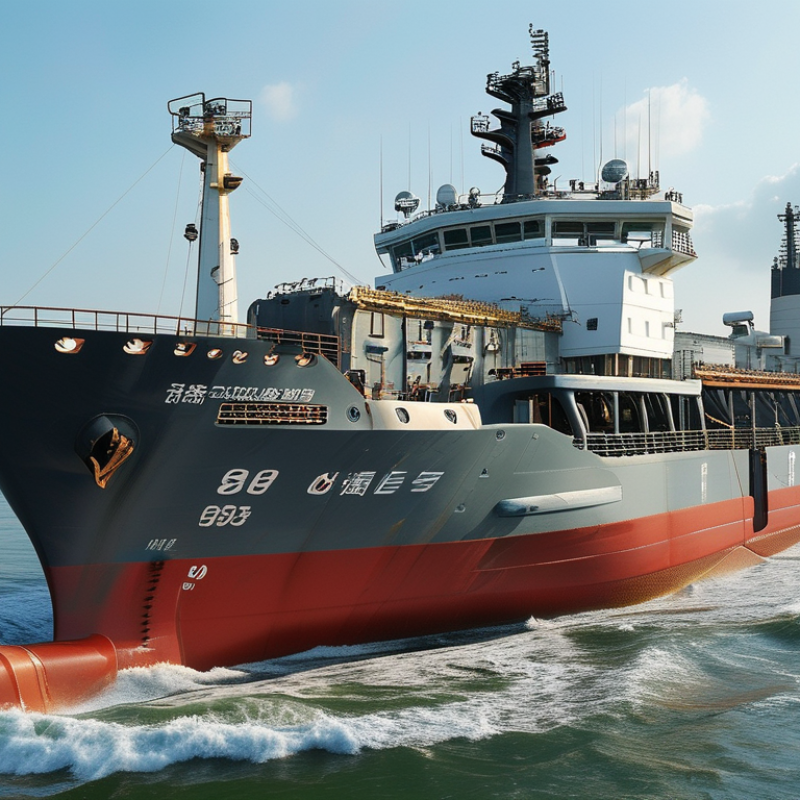
Tugboat fenders are protective systems fitted around a vessel’s bow, stern, and sides. They absorb impact when tugboats push, pull, or work beside larger ships. Common designs include cylindrical, W-shaped, sliding, and pneumatic fenders. Each design responds differently to pressure, movement, and hull contact.
Their importance becomes clear during a tight harbor maneuver. A tug may press against a steel hull while water pushes both vessels sideways. Without suitable protection, concentrated force can damage paint, plating, dock structures, or towing equipment. A properly selected fender spreads that force across a wider contact area. It also helps crews maintain control during repeated operations. The rubber compound, compression rating, energy absorption, and wear resistance all deserve careful review.
When comparing China’s top ten tugboat fender manufacturers, buyers should examine test records, material traceability, and production consistency. A catalog rating is not enough. Ask how performance changes in cold water, strong sunlight, and continuous compression. Field inspections often reveal uneven wear that factory photographs cannot show. I have found that installation details matter almost as much as the fender itself. Poorly positioned chains or brackets can create stress points. That lesson is easy to overlook. Regular checks should look for cracking, deformation, loose fittings, and hardened rubber. A practical supplier should provide clear drawings, inspection guidance, and responsive technical support.

When screening Chinese tugboat fender manufacturers, start with verified engineering evidence. UNCTAD’s Review of Maritime Transport 2024 recorded 12.3 billion tonnes of seaborne trade in 2023. That volume increases pressure on port handling and tug operations. Fender failure can damage hull coatings, quay surfaces, and schedules. A low quote is not always efficient.
Ask for drawings, compound specifications, and performance curves. The data should show energy absorption, reaction force, compression limits, and allowable tolerances. ISO 17357-1:2014 provides requirements for floating pneumatic rubber fenders, including testing and construction. For solid or molded fenders, request equivalent test procedures and clear material standards. Do not accept “marine grade” without a measurable definition. It sounds professional, but it is incomplete.
Factory assessment matters. Check rubber mixing records, steel insert quality, curing controls, and batch traceability. Request test samples before signing a large order. An independent laboratory can verify hardness, tensile strength, elongation, aging resistance, and seawater exposure. Inspectors should also measure actual dimensions at several points. Small deviations may affect installation. I would also review failed units, if the supplier is willing to disclose them. That conversation can reveal more than polished brochures. Confirm replacement lead times, packing methods, warranty limits, and technical support in writing. A manufacturer that answers slowly during selection may respond even slower during an emergency.
China’s top 10 tugboat fender manufacturers to consider should be judged by performance, not catalog size. A reliable supplier understands contact pressure, energy absorption, abrasion, and hull clearance. Ask for drawings, compound data, and test records before discussing price. In port operations, a fender may meet a vessel at an awkward angle during rain, current, or a rushed maneuver. Small design errors become expensive quickly. Safety comes first.
Experienced manufacturers usually offer molded cylindrical, D-shaped, sliding, and custom fender systems for different tug profiles. Look for controlled rubber formulation, even wall thickness, reinforced mounting holes, and accurate dimensions. Factory inspection should include hardness checks, visual review, compression testing, and production-batch sampling. Photos help, but they are not proof. A credible team explains tolerances instead of promising perfect results. It should also provide installation guidance, replacement advice, and traceable documentation. Many comparisons become weak here.
When considering China’s top 10 options, compare marine project experience, export packaging, response time, and after-sales support. Request references from comparable tug sizes and working waters. Check whether the proposed fender matches berthing speed and contact frequency, not merely vessel length. One practical test is inspecting a sample after repeated compression and dragging. It may reveal uneven recovery or surface cracking. Published data can differ from field behavior. Independent inspection and a trial installation remain sensible, especially for busy terminals.
| Rank | Anonymous Manufacturer | Main Tugboat Fender Types | Typical Rubber Hardness | Common Size Range | Typical Applications | Quality Documentation | Customization Capability | Indicative Production Lead Time |
|---|---|---|---|---|---|---|---|---|
| 1 | Supplier 01 | Cylindrical, D-type and sliding fenders | 60–75 Shore A | 150–1,200 mm diameter; custom lengths | Harbor tugs, workboats and ferry terminals | Material certificates, dimensional inspection and test reports | Molded profiles, drilled holes, steel inserts and cut-to-length sections | 25–45 days |
| 2 | Supplier 02 | W-type, M-type and bow fenders | 70–85 Shore A | 80–500 mm profile width; custom lengths | Push boats, escort tugs and ship-assist vessels | Batch traceability, hardness records and visual inspection | Profile tooling, mounting slots, reinforcement and colored identification marks | 30–50 days |
| 3 | Supplier 03 | Pneumatic and foam-filled marine fenders | Rubber outer layer with closed-cell foam core | 0.5–3.3 m diameter; 1.0–6.5 m length | Temporary berthing, ship-to-ship operations and offshore support | Pressure records, buoyancy checks and dimensional reports | Chain nets, towing eyes, end fittings and high-visibility covers | 35–60 days |
| 4 | Supplier 04 | Extruded D, square and rectangular fenders | 65–80 Shore A | 50–400 mm height; continuous lengths available | Small and medium harbor tugs, pontoons and service vessels | Compound data, dimensional checks and packing inspection | Fastener holes, corner joints, backing bars and pre-cut kits | 20–40 days |
| 5 | Supplier 05 | Sliding, UHMW-PE-faced and composite fenders | Rubber base with low-friction polymer face | 100–600 mm width; modular panel systems | High-contact tug sides, lock gates and guide structures | Polymer certificates, fastener records and assembly drawings | Replaceable face plates, countersunk bolts and curved modules | 30–55 days |
| 6 | Supplier 06 | Tug bow, stern and shoulder fender systems | 65–85 Shore A | 250–900 mm diameter or molded assemblies | Ocean-going tugs and heavy ship-assist operations | Engineering drawings, hardness tests and inspection plans | Curved segments, steel backing plates and bonded rubber sections | 40–65 days |
| 7 | Supplier 07 | Sliding blocks, roller fenders and guide fenders | 70–90 Shore A rubber or polymer surface | 100–450 mm thickness; project-specific modules | Tug berths, dry docks and restricted maneuvering areas | Load calculations, material data and installation instructions | Roller shafts, steel frames, anchor layouts and replacement parts | 35–60 days |
| 8 | Supplier 08 | Extruded cylindrical and hollow fenders | 60–75 Shore A | 200–800 mm outside diameter; standard and custom lengths | Workboats, pilot boats and utility tug fleets | Dimensional reports, compound identification and final inspection | Internal bores, end caps, lifting lugs and segmented installation | 25–45 days |
| 9 | Supplier 09 | Marine rubber fender systems with steel backing | 65–85 Shore A | 200–1,000 mm face width; fabricated assemblies | Heavy-duty tugs, shipyards and port infrastructure | Steel mill certificates, weld inspection and rubber test records | Welded frames, curved backing plates, anchors and corrosion protection | 45–75 days |
| 10 | Supplier 10 | Replacement fenders and maintenance kits | 60–80 Shore A | Standard profiles from 50–500 mm; repair components | Fleet maintenance, retrofit projects and emergency replacement | Replacement compatibility records and pre-shipment inspection | Reverse measurement, matched profiles, fasteners and installation kits | 15–35 days for standard items |
Note: The supplier identifiers are anonymized. Specifications and lead times represent common Chinese marine-fender manufacturing ranges; confirm the final compound, dimensions, test requirements, drawings, delivery schedule and applicable marine standards directly before purchasing.
Quality should be measured, not assumed. ISO 17357-1:2014 specifies key requirements for floating pneumatic fenders, including pressure, dimensions, and testing. For solid rubber systems, buyers should request energy absorption, reaction force, compression-set, ozone-resistance, and aging results. Inspection reports should identify compound batches and steel components. Small gaps here create expensive dockside problems.
Customization affects both performance and cost. A serious manufacturer should calculate fender size from berthing velocity, vessel displacement, contact angle, tidal range, and quay structure. Sliding pads, cylindrical units, and pneumatic fenders need different attachment details. Fit matters more. Ask for drawings, finite-element checks, sample approval, and a witnessed factory test. I would not accept “standard size” without checking the tug’s actual hull geometry.
Pricing must include tooling, testing, packaging, freight, installation hardware, and spare units. UNCTAD’s Review of Maritime Transport 2024 reports global seaborne trade reached about 12.3 billion tonnes in 2023, showing why port equipment reliability matters at scale. Lead times also deserve evidence: request separate dates for engineering, mold preparation, vulcanization, inspection, and shipment. A low quote can still be useful, but only after comparing delivered cost and warranty terms. Lead time is contractual. Manufacturers that provide traceable production schedules are easier to audit, although schedules sometimes slip during material shortages. That uncomfortable possibility should be priced into the procurement plan.
Choosing among China’s top tugboat fender manufacturers requires more than comparing prices. Start with your vessel’s displacement, berthing speed, hull shape, and operating waters. These details determine the fender’s energy absorption and contact pressure.
Ask each manufacturer for technical drawings, material specifications, and tested performance data. A reliable supplier should explain rubber hardness, reinforcement layers, tolerances, and expected service life. Check whether testing follows recognized marine standards. Factory audits can reveal curing equipment, inspection routines, and storage conditions. Small details matter. Poor storage can damage rubber before installation.
Request references from operators using similar tugboats. Speak with their maintenance teams, not only sales staff. Ask about deformation, cracking, replacement time, and after-sales response. Confirm whether the supplier can provide installation guidance and replacement parts. Clear traceability is essential, from raw material batches to final inspection records. Some manufacturers present impressive certificates but offer weak practical support. That deserves careful questioning. I would also compare lead times, packaging methods, and communication during a sample order. A perfect selection checklist does not exist. Your operating environment may expose risks that factory documents miss. When possible, inspect a production sample and measure its dimensions independently before approving the full order.