2026 Top Cylinder Fender Options for Marine and Industrial Applications?
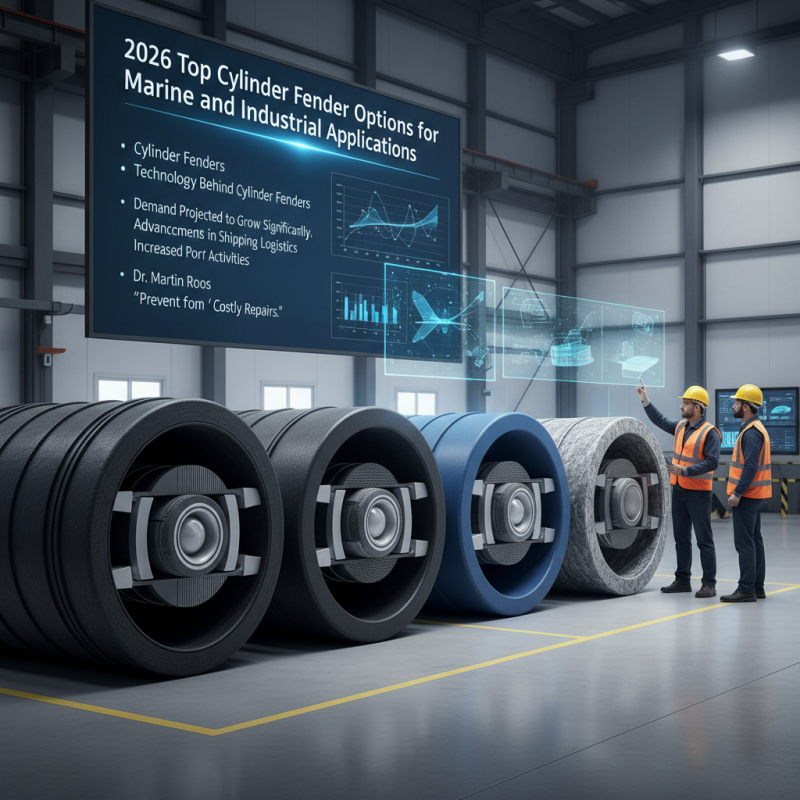
As marine and industrial applications evolve, so does the technology behind Cylinder Fenders. These essential components protect vessels from damage during docking and mooring. Industry reports indicate that the demand for Cylinder Fenders is projected to grow significantly, driven by advancements in shipping logistics and increased port activities. According to marine expert Dr. Martin Roos, "Investing in quality Cylinder Fenders can prevent costly repairs and enhance operational safety."
The choice of the right Cylinder Fender can make a considerable difference in performance. Factors like material, size, and design directly impact their effectiveness and durability. However, not many industry players fully understand these complexities. Some reports suggest a knowledge gap exists among operators regarding the latest designs and materials available on the market.
Reflecting on these insights, it’s clear that choosing appropriate Cylinder Fenders involves critical considerations. The growing array of options can be overwhelming. Identifying the best solution requires not just familiarity with industry standards but also an understanding of specific operational needs. This ensures that investments yield reliable outcomes. A cautious approach is essential, as overlooking key details can lead to inefficiencies and heightened risk.
Top Cylinder Fender Types Used in Marine Environments
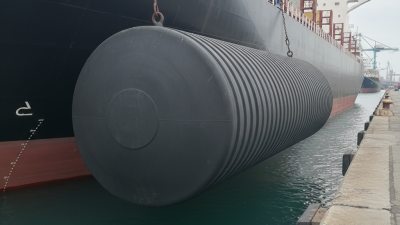
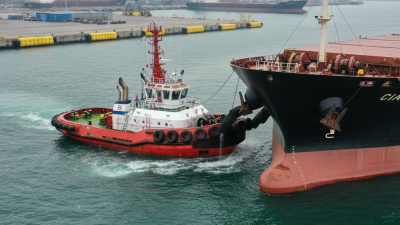
In marine environments, cylinder fenders play a critical role. These fenders absorb energy and protect vessels during berthing. Their designs vary based on applications, making them suitable for various situations. For instance, some are designed to handle larger ships, while others are ideal for smaller craft. The choice of materials also affects durability and performance.
Common types of cylinder fenders include foam-filled and inflatable options. Foam-filled fenders have a solid core, offering consistent performance. They resist punctures, making them reliable in harsh conditions. On the other hand, inflatable fenders provide excellent buoyancy and flexibility. Their lighter weight allows for easier handling. However, they require regular inspections to prevent slow leaks.
When selecting cylinder fenders, consider factors like location and environmental conditions. Each type has its pros and cons. Some may offer excellent protection but require more maintenance. Others might need less upkeep but fall short in extreme situations. Understanding these trade-offs is essential for making informed decisions in marine and industrial applications.
Key Features of Cylinder Fenders for Industrial Applications
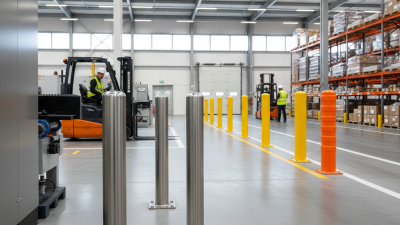
Cylinder fenders play a crucial role in industrial applications. They provide protection for vessels and structures during docking and maneuvering. Their design minimizes impact forces, reducing potential damage. A well-constructed cylinder fender absorbs shock effectively. This ensures longevity for both the fender and the asset it protects.
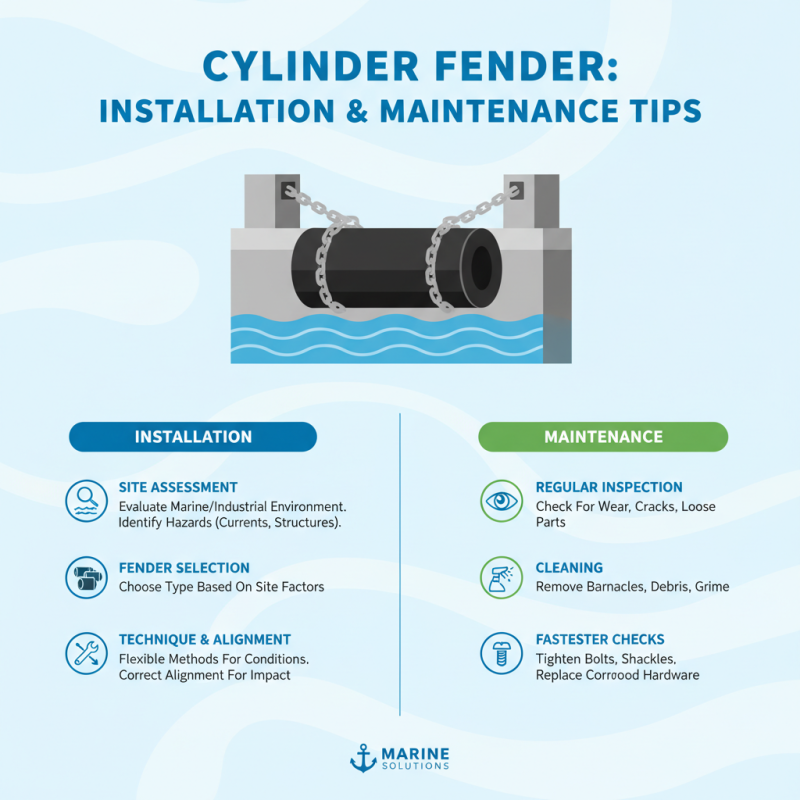
Key features of cylinder fenders include their material composition. Most are made from durable synthetic rubber. This provides excellent resilience and resistance to wear. Additionally, the shape of the fender supports better energy absorption. Users often overlook the importance of proper installation. A poorly installed fender can lead to inadequate protection. Regular maintenance checks are necessary to ensure optimal performance.
Another important aspect is weather resistance. Industrial settings often expose fenders to harsh conditions. UV exposure, chemicals, and extreme temperatures can degrade materials. Using high-quality construction methods mitigates these risks. Ultimately, choosing the right cylinder fender requires careful consideration of environmental factors. It's essential to reflect on specific needs to select an appropriate option.
Material Selection Criteria for Effective Cylinder Fenders
When selecting materials for cylinder fenders, various factors come into play. The primary purpose of these fenders is to absorb shock and provide protection. Materials like rubber, polyethylene, and PVC are common choices. Each has distinct properties that affect durability and performance.
Rubber fenders are known for their excellent resilience and energy absorption. They perform well in marine environments but may degrade under UV exposure. Polyethylene offers better resistance to chemicals and UV damage. It is lightweight and easy to handle, making it suitable for industrial applications.
Tips: Assess the specific environment where the fender will be used. Temperature extremes and exposure to chemicals can affect material longevity. Don't overlook attachments and compatibility with existing systems. They should be as robust as the fenders themselves.
Another material to consider is foam-filled fenders. They are lightweight and provide good impact resistance. However, improper installation can lead to inadequate performance. Regular inspections help identify wear and tear. Choosing the right material ensures that the fender meets operational demands and environmental challenges effectively.
2026 Top Cylinder Fender Options for Marine and Industrial Applications
Comparative Analysis of Leading Cylinder Fender Brands in 2026
In 2026, the cylinder fender market shows robust growth due to industrial demands. Marine applications are expanding, influencing design and material choices. Reports suggest an increase of over 15% in demand for resilient fendering solutions. This growth reflects the need for impact resistance and durability in marine settings.
A comparative analysis of leading cylinder fender brands reveals varying performance metrics. Many manufacturers prioritize energy absorption capabilities. Recent studies indicate that fenders with enhanced energy absorption reduce maintenance costs by up to 30%. However, designs often overlook the effects of harsh environmental conditions. Seasonal variations can affect material longevity, requiring more frequent evaluations.
Some brands excel in customization, tailoring fender solutions to specific dock or vessel types. Yet, this advantage may come at a higher initial investment. A survey of industry professionals shows that 60% value adaptability over initial cost. These insights illustrate the need for ongoing evaluation of fender choices, balancing cost with functionality.